










The Creator's Dilemma: Why One Laser Wavelength Isn't Enough
Every laser engraving business eventually runs into the same wall: a single-wavelength machine simply can't do everything a growing client list demands. A diode or CO2 laser struggles the moment a project calls for raw metal color engraving or crisp work inside solid glass or crystal. Push a standard fiber laser onto heat-sensitive plastics or leather, and you're often left with melted edges, charring, or warping instead of the clean result a client expects.
For Etsy sellers, personalization businesses, and growing makers, this usually happens the moment customers start asking for products beyond wood and leather — from colored tumblers to crystal gifts.
These aren't rare edge cases — they're some of the most common reasons creators turn down work. Thermal distortion on plastics, charred wood or leather from too much heat, and the simple inability to produce vibrant color on stainless steel are recurring pain points across craft businesses and small manufacturing shops alike.
That's the gap a UV MOPA laser engraver system is built to close — combining two fundamentally different laser engines into one unified workflow, so material limitations stop being the reason you say no to a project.

What Exactly Is a UV MOPA Laser?
Despite the name, a UV MOPA laser isn't a single laser wavelength or a new hybrid beam type. It refers to a dual laser engraver system that combines two genuinely separate laser sources — a UV laser and a MOPA fiber laser
Think of it less as "one special laser" and more as two specialized tools sharing a chassis, a camera, and a workflow: the UV source handles one category of materials, the MOPA source handles another, and you pick whichever is right for the job in front of you.
Understanding the Core Technologies: UV vs. MOPA Lasers
1. The UV Laser (355nm): Ultra-Fine Detail & Cold Processing
A UV laser works through photochemical "cold marking" — it breaks chemical bonds in a material's surface directly, rather than relying on heat to burn or melt its way through. That distinction matters enormously for delicate materials, significantly reducing heat-affected areas around the mark. This is the core mechanism behind any UV laser engraving machine, and it's fundamentally different from how a metal color marking laser like MOPA achieves its results.
This makes UV the better tool for glass and K9 crystal — some UV systems can also support 3D subsurface engraving inside glass and crystal (points etched inside the material itself, not just on the surface), which is the reason UV-based systems are often marketed as a crystal engraving machine or glass laser engraving machine in their own right — plus heat-sensitive plastics, leather, and ultra-fine micro-textures. This level of precision makes UV lasers ideal for detailed logos, small text, intricate patterns, and delicate artwork that require minimal material damage.
2. The MOPA Laser (1064nm): High-Power Metal Mastery & Color Marking
A MOPA laser (Master Oscillator Power Amplifier) takes a different approach entirely. Rather than firing at a single fixed pulse setting, MOPA allows independent control over pulse width and frequency — which means the laser can be tuned precisely to how much heat a specific metal can handle before it scorches or discolors unpredictably.
That control is what unlocks vivid color engraving on stainless steel and titanium, high-contrast black marking on anodized aluminum without burning through the coating, and deep engraving or fast cutting when a project calls for it — the core reason a MOPA fiber laser engraver is the go-to choice for color laser engraving stainless steel work specifically.
What Can You Make With a UV MOPA Laser?
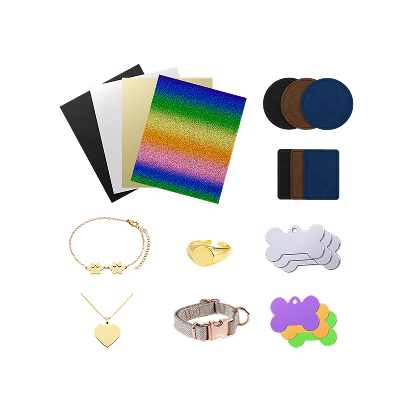
A lot of people searching for this technology aren't typing "UV MOPA laser" at all — they're asking more specific questions like "can a laser engrave crystal?" or "can you get color on stainless steel with a laser?" Here's what a combined system actually opens up in practice:
Stainless steel tumblers with vivid, durable color engraving (MOPA)
Jewelry and metal accessories with fine detail and color marking (MOPA)
Crystal awards and keepsakes with true subsurface 3D engraving (UV)
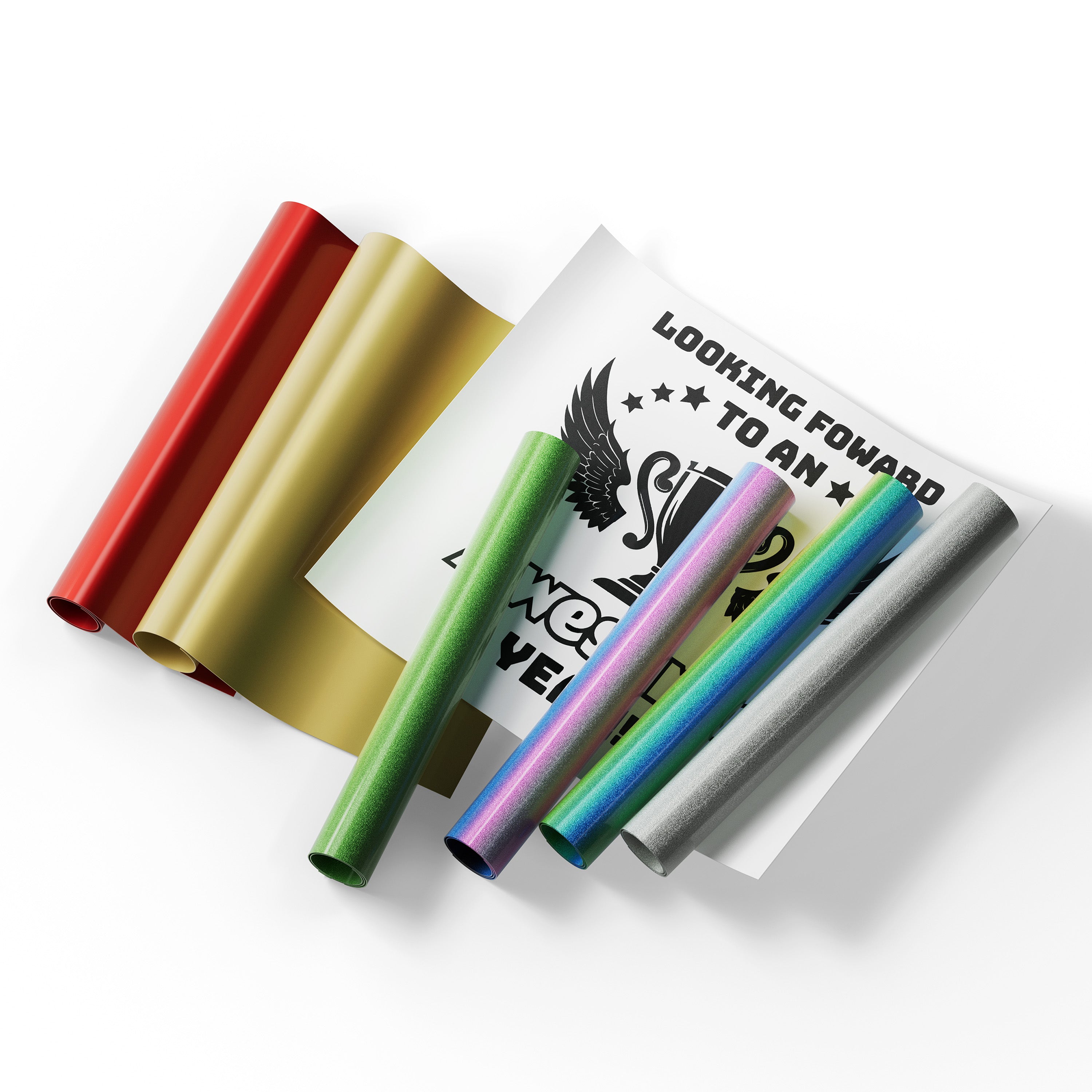
Acrylic and coated signage with clean, high-contrast marks (UV or MOPA depending on the coating)
Leather goods with crisp detail and no charring (UV)
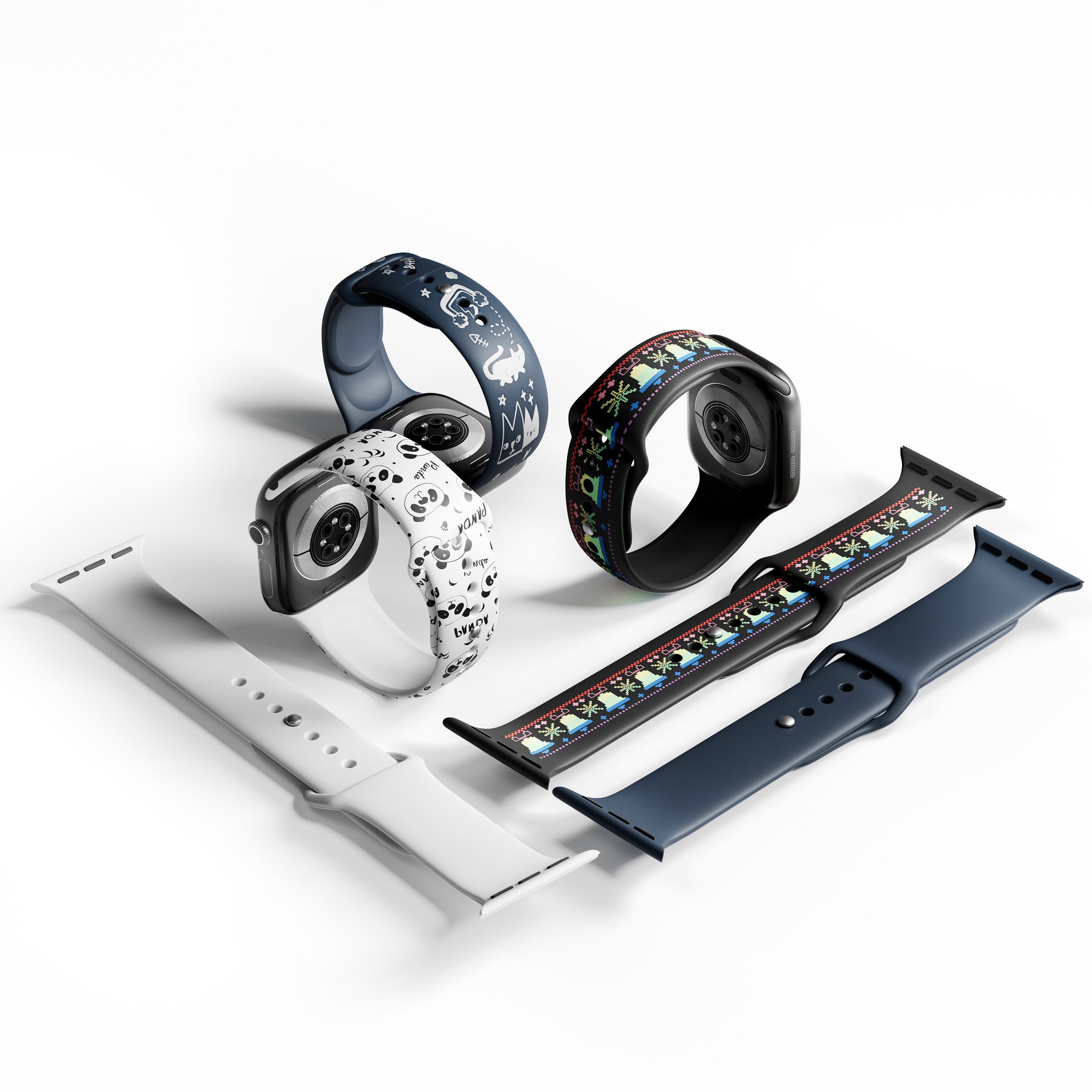
Small electronics components requiring fine, low-heat marking (UV)

The common thread: each of these categories plays to one laser source's specific strength, which is exactly the gap a combined UV MOPA system is designed to close.
Material Compatibility Matrix: UV Laser vs. MOPA Laser
|
Material Type |
Recommended Laser |
Key Advantage / Process |
Common Applications |
|
Stainless Steel / Titanium |
MOPA Laser |
Vivid oxide color engraving & 3D relief |
Tumblers, jewelry, premium gifts |
|
Glass & K9 Crystal |
UV Laser |
Surface & 3D inner/subsurface crystal engraving |
Crystal awards, keepsakes |
|
Heat-Sensitive Plastics / Leather |
UV Laser |
Minimizes heat damage, melting, and unwanted deformation |
Leather goods, plastic components |
|
Anodized Aluminum |
MOPA Laser |
Deep, high-contrast black marking without burning |
Electronics, signage |
|
Coated & Reflective Metals |
MOPA Laser |
High peak power for clean vector lines and depth |
Premium gifts, branded metal goods |
UV MOPA vs. Other Laser Types
Before committing to a dual-laser system, it's worth understanding where UV MOPA fits relative to the more common single-wavelength machines most creators start with:
|
Laser Type |
Best For |
Limitation |
|
Diode |
Wood, leather, crafts |
Limited metal capability |
|
CO2 |
Wood cutting, acrylic |
Weak on metal marking |
|
Fiber |
Metal engraving |
Poor on glass/plastic |
|
UV |
Glass, plastics, fine detail |
Limited deep metal engraving |
|
UV MOPA |
Multi-material professional work |
Higher investment |
The pattern here is straightforward: every single-wavelength option is genuinely good at something, but each one also has a real material blind spot. A UV MOPA system exists specifically to remove that blind spot — at the cost of a higher upfront investment than any one of the single-purpose machines above.
Is a UV MOPA Laser Right for You?
Given that higher investment, it's worth being honest about who this technology actually serves before going further.
Good fit if you:
Sell customized products across multiple material types
Work with metal and glass regularly, not occasionally
Need premium personalization that single-wavelength machines can't deliver
Want one integrated machine instead of running multiple standalone systems
Probably not necessary if you:
Are mostly engraving wood signs
Are just starting out with beginner hobby projects
Only make leather crafts and don't need metal or glass capability
If you fall into the second group, a diode or CO2 machine will likely serve you better for now — a UV MOPA system makes the most sense once your actual project mix already spans multiple demanding materials.
Solved: How a UV MOPA Laser System Elevates Your Business
High-margin customization. A combined system lets you offer multi-material product lines — personalized stainless tumblers, crystal trophies, leather goods — without needing to own and maintain multiple standalone machines.
Seamless workflow. An integrated dual-laser platform eliminates the tedious recalibration and duplicated floor space that come with running two separate machines side by side.
Unmatched production efficiency. High-speed galvo systems (some reaching up to 16,000mm/s on manufacturer specs) paired with automated positioning cameras can streamline batch production well beyond what slower, single-wavelength setups typically achieve.
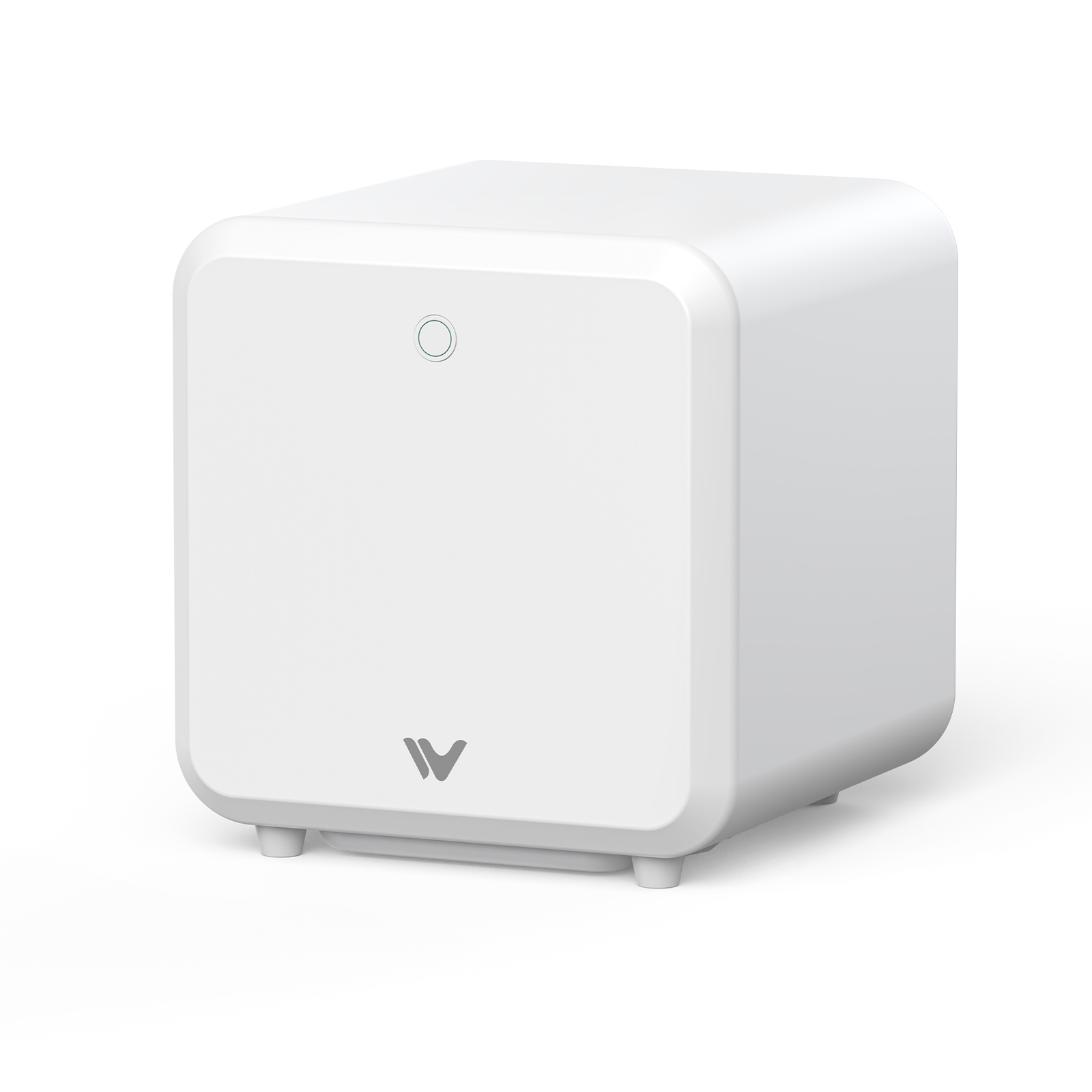
Example: WeCreat Lumos Ultra — A Desktop UV + MOPA Laser Solution
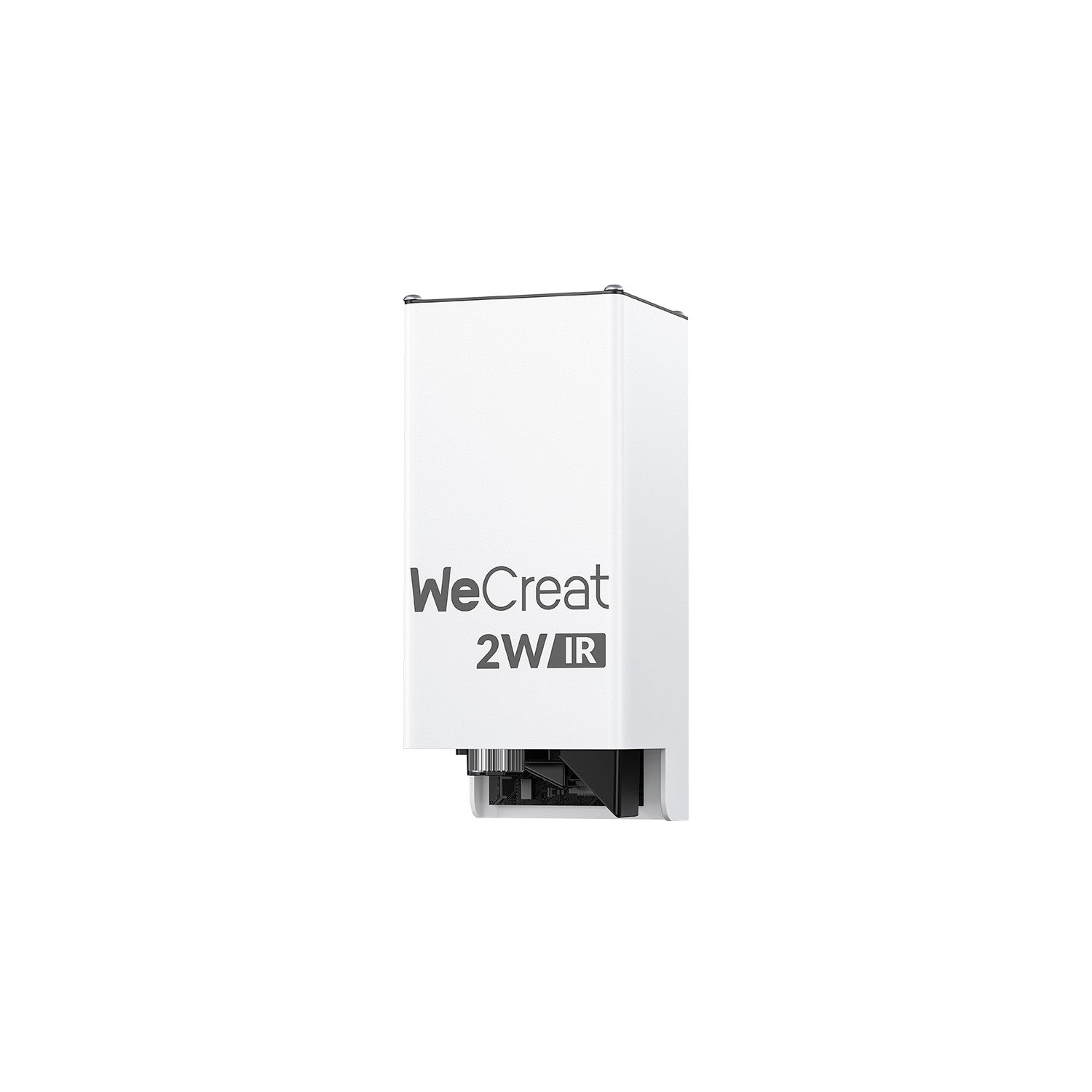
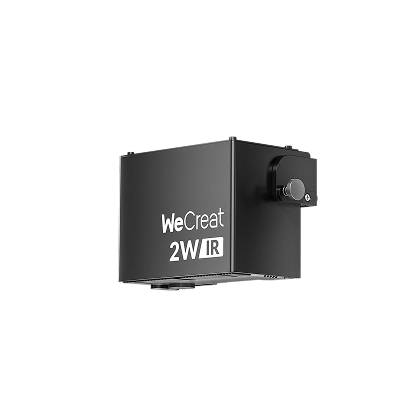
WeCreat's Lumos Ultra is among the emerging desktop platforms combining UV and MOPA laser sources in a single integrated system, pairing a 6W UV laser with a switchable 60W or 100W JPT MOPA module — a single-click switch between cold precision work and high-power metal processing, without swapping hardware or recalibrating between jobs.
A few specifics worth knowing:
Dual laser precision: 6W UV paired with 60W or 100W MOPA, covering both ends of the material spectrum in one enclosure.
Subsurface magic: dedicated 3D depth engraving modes for genuine internal glass and crystal work, not just surface marking.
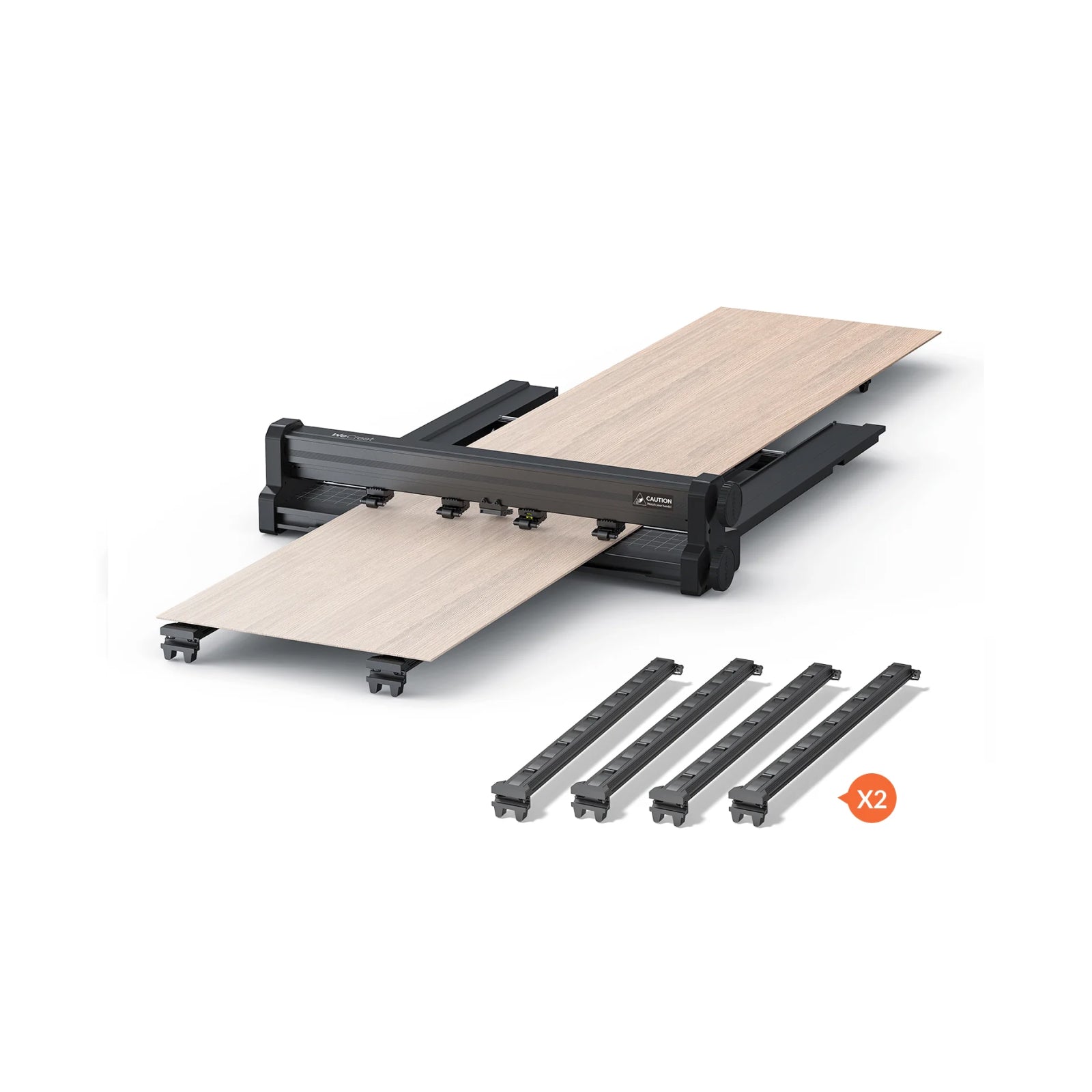
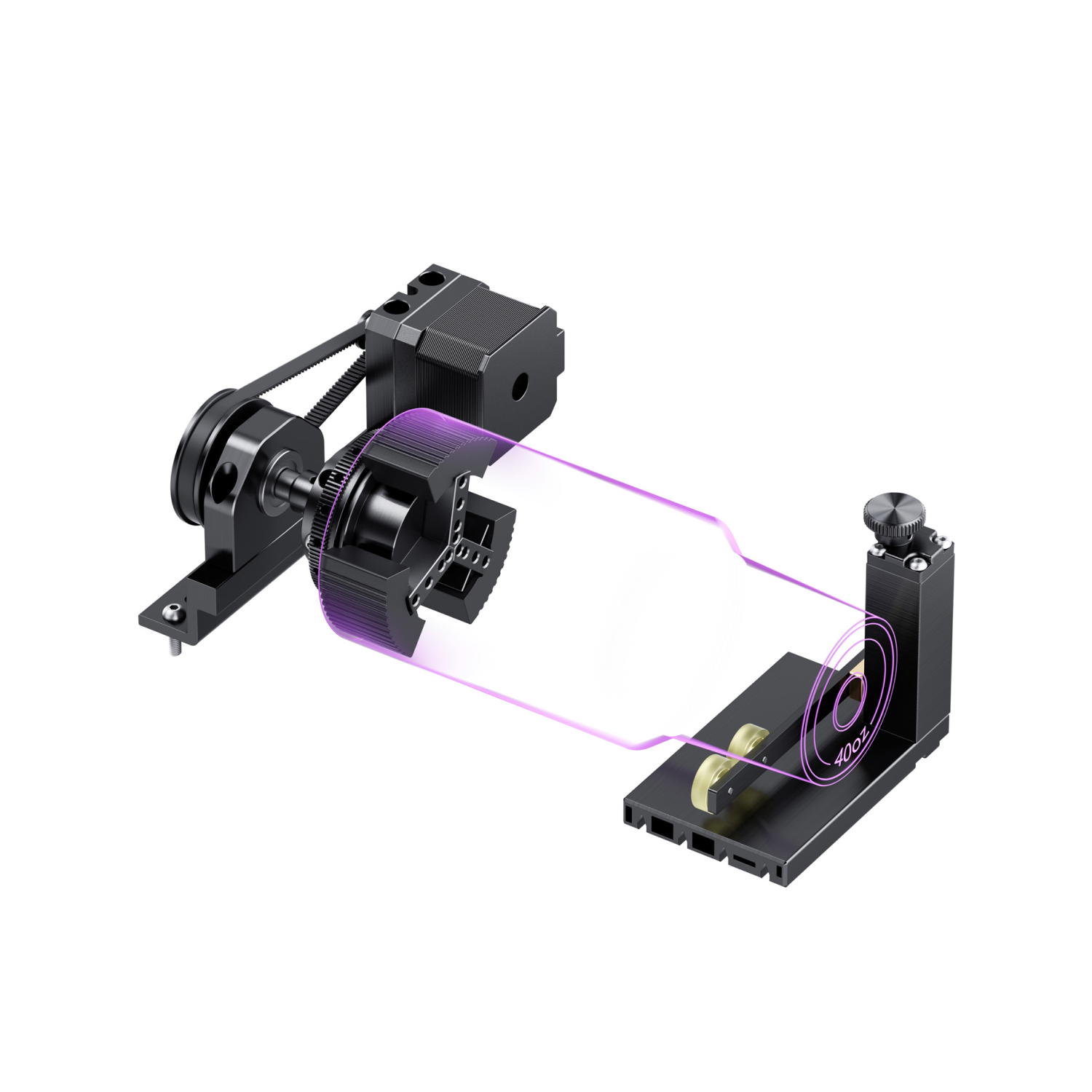
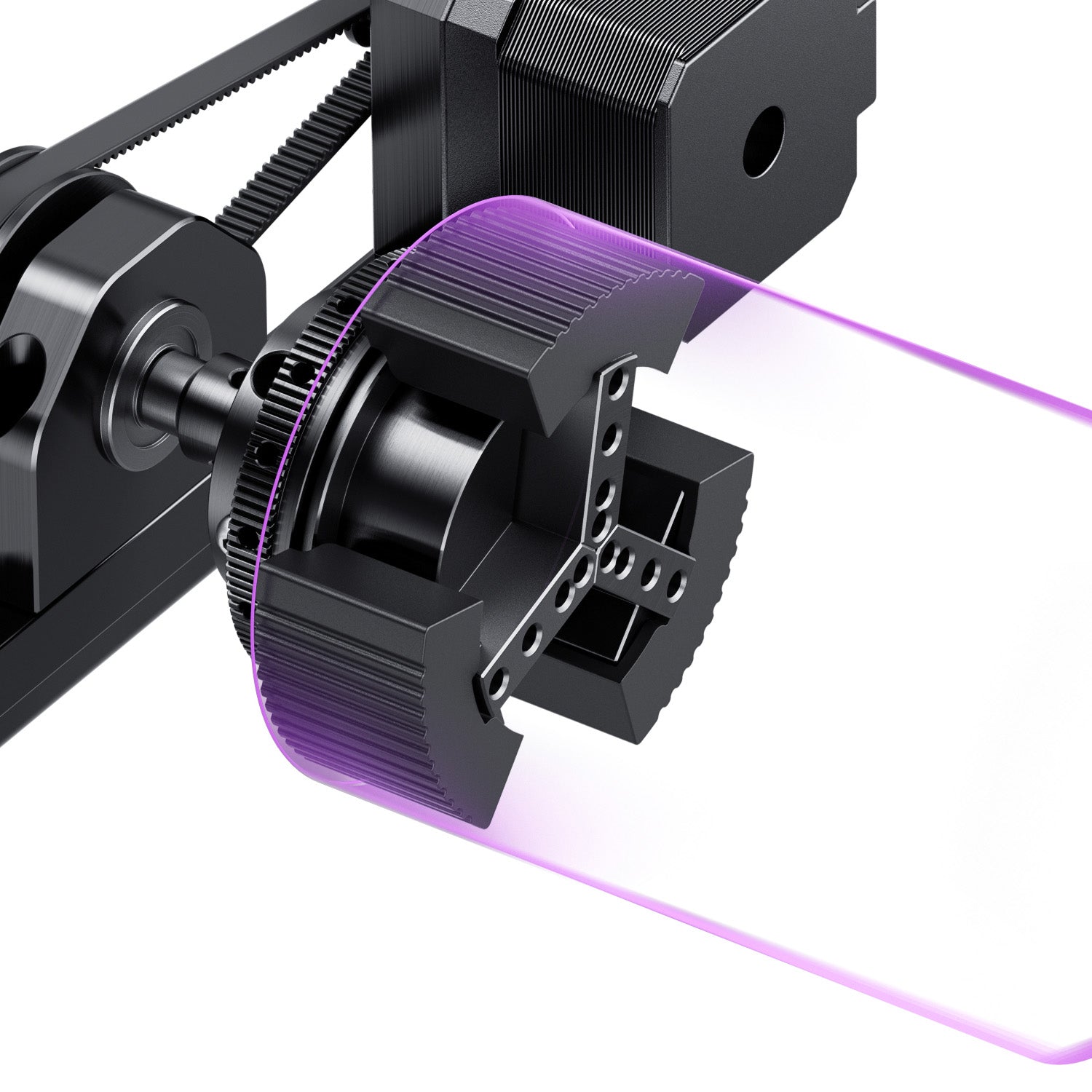
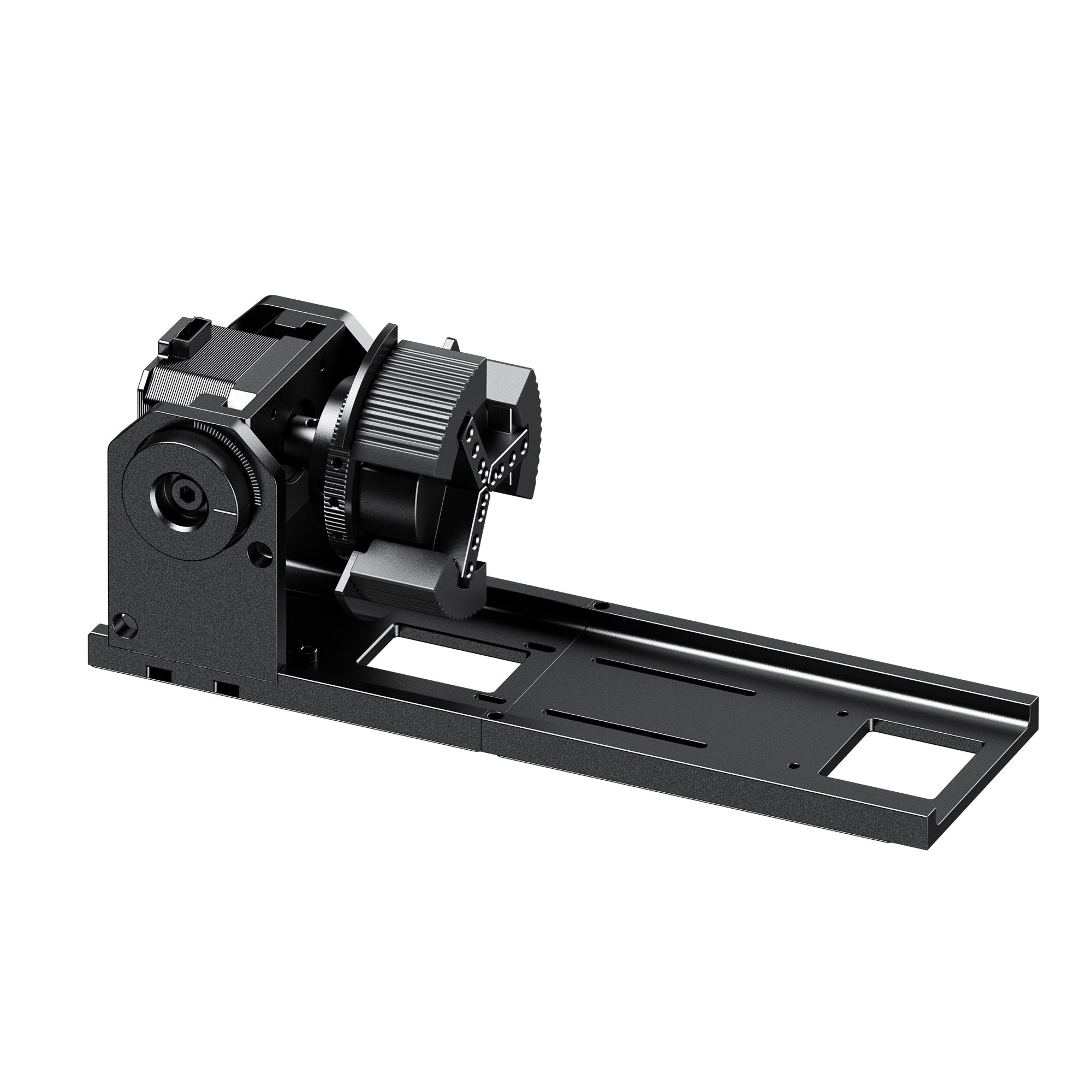
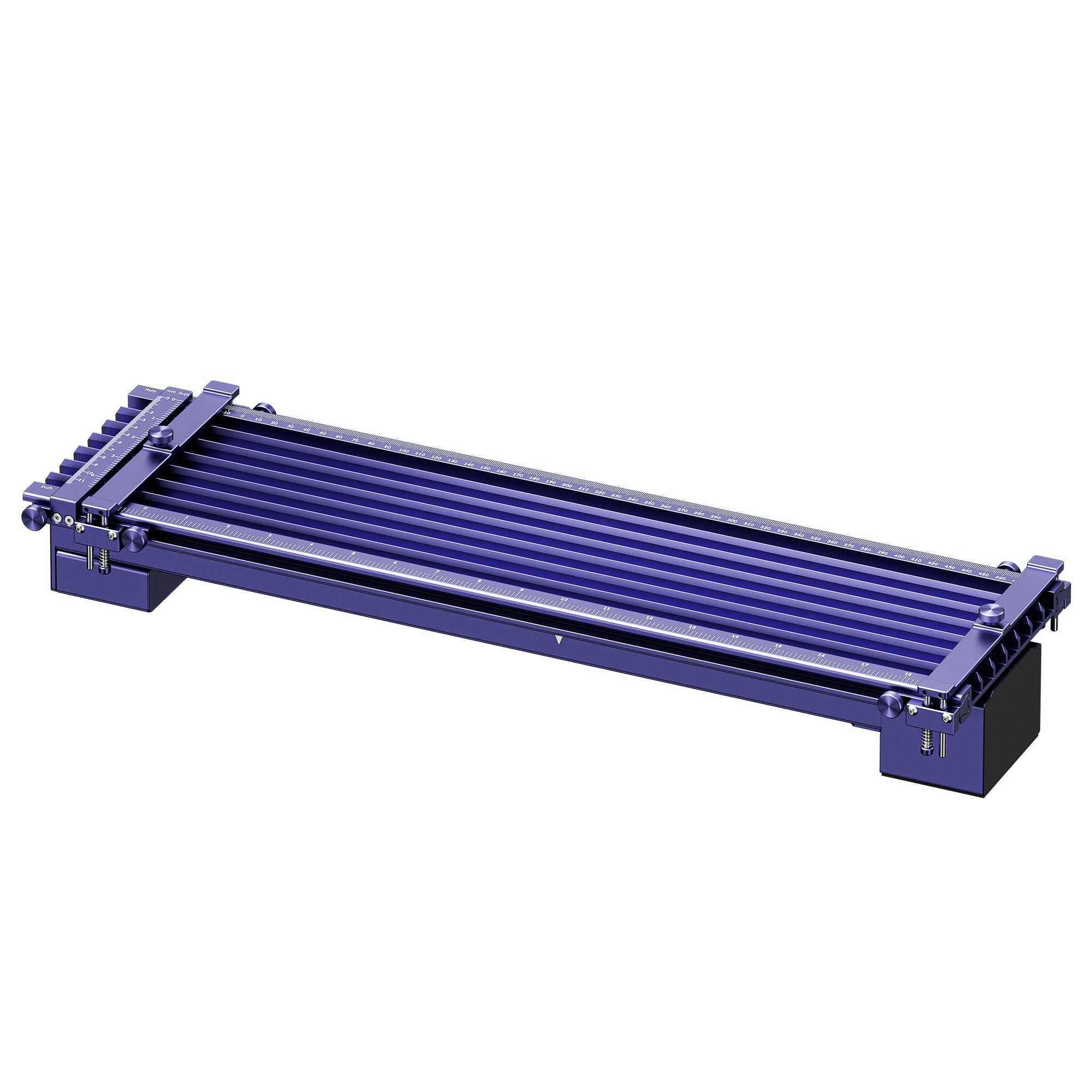
Smart automation: HD camera positioning, automatic field-lens detection, and support for accessories like rotary attachments, slide extensions, and a conveyor system for batch processing.
Real-world speed: a galvo-driven system rated by the manufacturer at up to 16,000mm/s — a figure worth verifying against your own material and pass-count needs, since manufacturer top speeds don't always reflect real-world job throughput one-to-one.

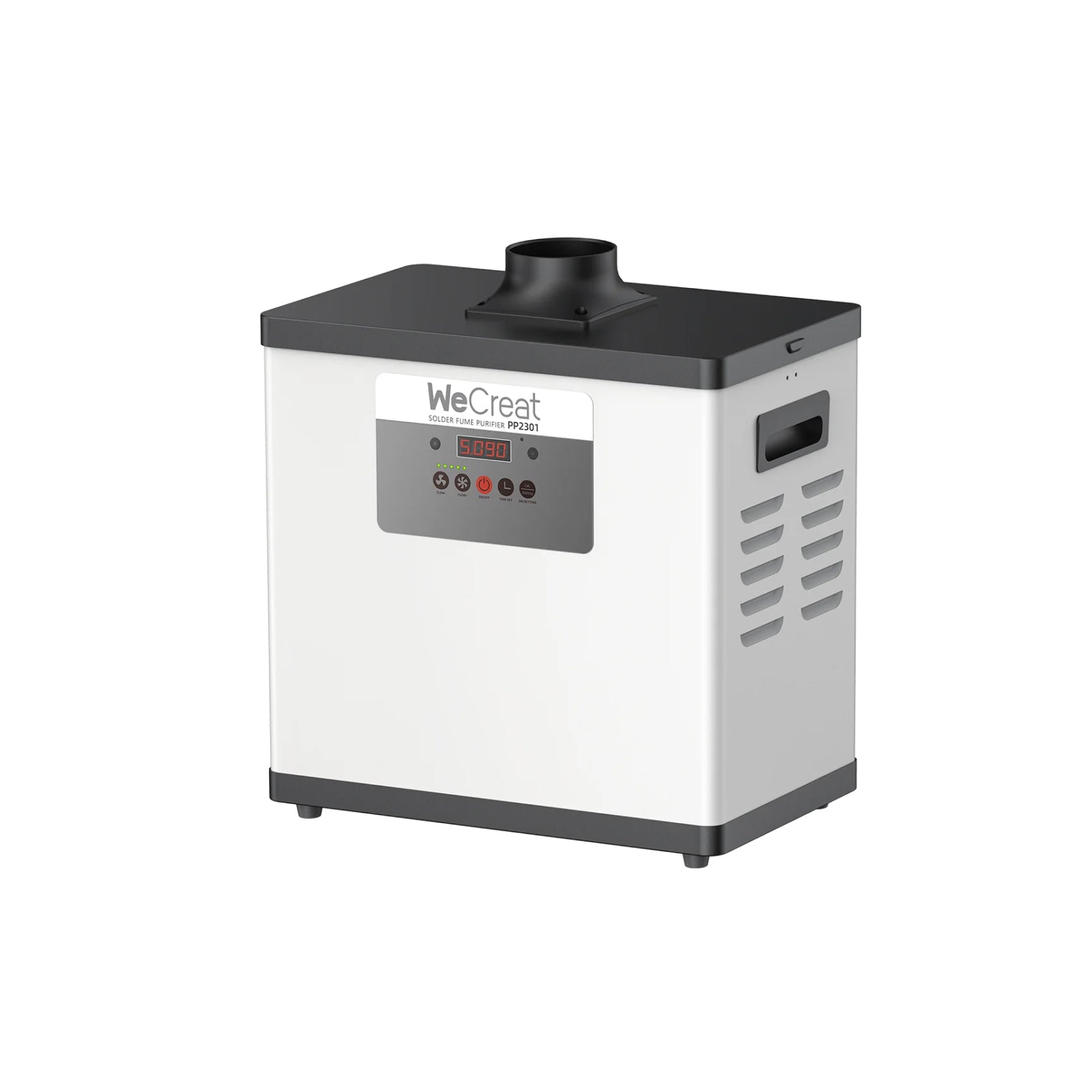
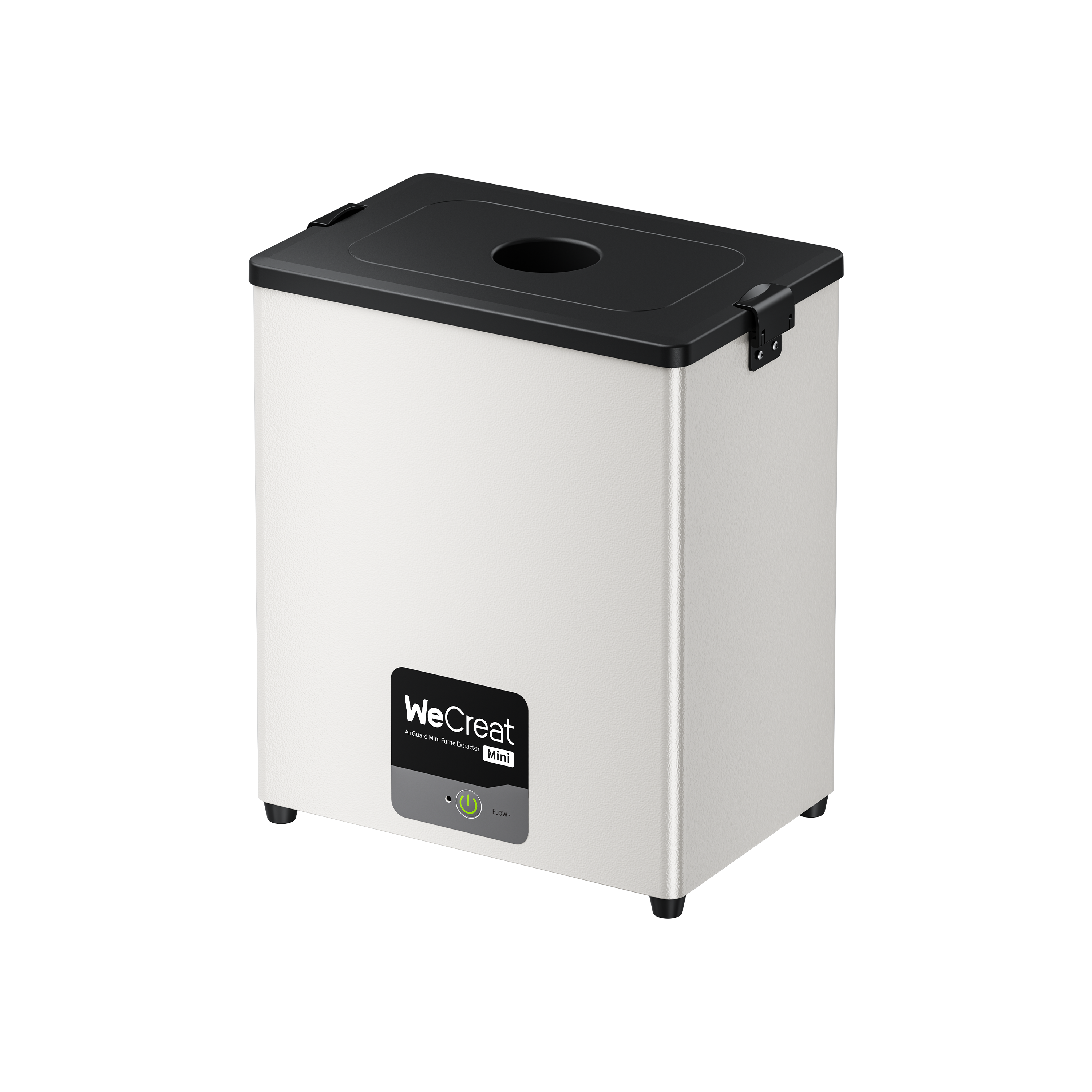
Worth knowing before buying: the Lumos Ultra lineup starts with UV-only capability and scales up to configurations that add the 60W or 100W MOPA module, so the entry configuration isn't automatically the full dual-laser setup — worth checking which configuration you actually need before ordering. Fume extraction is also worth budgeting for as part of the total system cost rather than an afterthought, particularly for regular metal and glass work.
Conclusion
Investing in both UV precision and MOPA power means material limitations stop being the reason you turn down a client project. Whether it's a crystal keepsake that needs true subsurface detail or a stainless tumbler that needs vivid, durable color, a combined UV MOPA workflow covers both ends of that range from a single machine.
If your business is moving beyond single-material engraving, explore how the WeCreat Lumos Ultra combines UV precision and MOPA metal processing in one integrated workflow.
Frequently Asked Questions
Q1. Can a UV laser engrave on metal?
UV lasers can leave surface marks on certain metals, but a MOPA laser is far better suited to metal work overall. MOPA provides deeper engraving, higher processing speeds, and the multi-color oxidation effects that UV alone can't reliably produce.
Q2. Why choose a UV MOPA dual laser setup over two separate machines?
A unified UV MOPA system saves workshop floor space, lowers combined startup equipment costs compared to buying two standalone machines, and lets you work across a much wider material range in one streamlined software environment rather than switching between two separate platforms.
Q3. What makes MOPA different from standard fiber lasers?
Standard fiber lasers typically fire at a fixed pulse width. MOPA lasers allow that pulse width to be adjusted, which prevents heat from accumulating unpredictably on metal surfaces and is specifically what enables true, repeatable color marking on stainless steel rather than inconsistent, hard-to-control results.
Q4. What can you make with a UV MOPA laser?
The range spans both technologies' strengths — vividly colored stainless steel tumblers and jewelry, deep black anodized aluminum signage, and true 3D subsurface crystal keepsakes or trophies, along with fine detail work on leather, plastics, and other heat-sensitive materials that a single-wavelength machine would struggle with.
Q5. Is a UV MOPA laser better than a fiber laser?
Not universally — it depends on what you're making. A standalone MOPA fiber laser is a strong, often more affordable choice if metal is your only material. A UV MOPA system earns its higher price specifically when your work also spans glass, crystal, or heat-sensitive materials that a fiber-only machine can't handle well.
Q6. Can a UV laser engrave glass?
Yes, and this is one of UV's core strengths — including genuine subsurface engraving inside solid glass or crystal, not just surface-level marks. This is a category where standard diode, CO2, and even MOPA fiber lasers generally can't compete.
Q7. How much does a UV MOPA laser cost?
Professional UV MOPA systems typically start in the several-thousand-dollar range depending on laser configuration, placing them firmly in professional investment territory rather than typical hobbyist pricing. Exact pricing varies by brand and by which MOPA module (if any) is included.