










Choosing between a UV laser engraver and a fiber laser engraver often leaves creators stuck comparing spec sheets without a clear way to decide. Part of the confusion is that both technologies can process a wider range of materials than most comparisons let on — the real question isn't simply "which laser can process this material?" It's "which laser is better suited to the result I need?"
Quick verdict: Fiber lasers (1064nm) typically win when a job calls for speed, deep material removal, or strong contrast on metal. UV lasers (355nm) usually pull ahead when the priority is fine detail, a small spot size, or keeping heat away from sensitive material — glass, plastics, electronics, and similar work. If your business spans both categories, that's where a machine like the WeCreat Lumos Ultra comes in, bringing 355nm UV precision into a desktop-oriented format alongside an optional MOPA fiber laser module.
How They Work: Thermal Processing vs. Cold Marking
1064nm fiber laser — photothermal processing. A fiber laser uses infrared energy to heat the material, producing effects such as surface melting, ablation, vaporization, annealing, or color changes depending on the material and processing parameters. Fiber's advantage isn't simply that it's "more powerful" — its higher output makes it particularly effective when the job requires rapid material removal, deep engraving, or high-contrast marking on suitable metals like steel, iron, and brass. That's why fiber lasers dominate deep engraving, cutting, and high-speed metal production work.
355nm UV laser — photochemical cold marking. A UV laser typically starts from the same 1064nm source and converts it down to 355nm through third-harmonic generation, producing a much shorter wavelength. The real advantage here goes beyond just being "colder." That shorter wavelength is absorbed more readily by many materials than 1064nm infrared energy. Higher absorption means better processing efficiency, and it lets the laser interact with material chemically instead of purely through heat. The result is a smaller heat-affected zone — less discoloration, less deformation, less stress on sensitive materials. It's not literally zero heat, and calling it "damage-free" overstates things. But compared to a fiber laser's approach, the drop in thermal impact is real.

Material Compatibility: UV vs Fiber Laser
| Material | Fiber Strength | UV Strength | Typical Strength |
|---|---|---|---|
| Bare metals | Fast marking, deep engraving, high material removal | Fine surface marking on suitable metals | Fiber |
| Glass & quartz | Limited on transparent materials, higher thermal impact | Fine marking with low thermal impact | UV |
| Ceramics | Depends on composition and finish | Fine, low-thermal-impact marking | UV |
| Plastics & resin | Can work on some formulations, but thermal damage may be an issue | Often better absorption and lower thermal impact | UV |
| PCB / sensitive electronics | Possible on suitable materials, but thermal impact can matter | Fine processing with lower thermal impact | UV |
| Coated & anodized metals | Efficient coating removal | Precise surface processing | Depends on application |
| Thin metals | Strong material removal, but may need careful parameters | Can be advantageous for fine, low-thermal-impact marking | Depends on application |
The overlap here is bigger than a simple "fiber does metal, UV does everything else" summary suggests. Fiber generally has the edge on suitable materials when the job needs speed, depth, or high material removal. UV generally has the edge when absorption, fine detail, or low thermal impact matters more. Coated metal, anodized metal, and thin metal are the categories where both approaches can produce good results, depending on what look and finish you're after.
Can Both UV and Fiber Lasers Engrave the Same Material?
Yes — the overlap between UV and fiber laser applications is larger than many buyers expect. Both technologies can process certain metals, plastics, coatings, and other substrates. The difference is usually not whether a material can be marked, but which process produces the result you actually want more efficiently.
Fiber lasers pull ahead when the goal is speed, deep material removal, or strong contrast on metal. UV lasers get the nod when the priority is fine absorption, small spot size, or keeping thermal impact low. The best choice depends on the material, the marking depth and finish you're after, and your production requirements — not a fixed rule about which laser "owns" which material.
Speed, Spot Size, and a Common Myth
Spot size and micro-detail.
Because 355nm has a much shorter wavelength than 1064nm, UV systems can generally be focused to a smaller spot size, though the final result also depends on the optical design and beam quality. That gives UV an advantage when extremely fine detail is required, especially on small or non-metal parts — high-density 2D barcodes, intricate small logos, sub-millimeter text. Fiber lasers can also produce fine marks, but the shorter UV wavelength generally allows a smaller focused spot with a comparable optical setup.

Does higher laser power always mean faster engraving?
Not necessarily. Laser power is only one part of processing speed. Wavelength, material absorption, spot size, pulse characteristics, scan speed, and the result you're after all affect actual throughput. A high-power fiber laser will typically have the advantage when removing material from metal or creating deep engravings. But on materials that absorb 355nm UV energy more efficiently, a lower-power UV laser can sometimes mark or process faster than a much higher-power fiber laser — the fiber laser's extra wattage may offer little practical advantage if the material absorbs 1064nm energy poorly.
Why the WeCreat Lumos Ultra Bridges the Gap
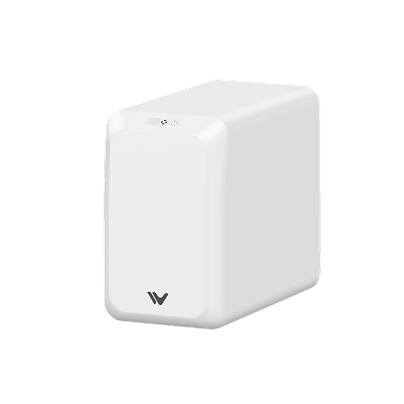
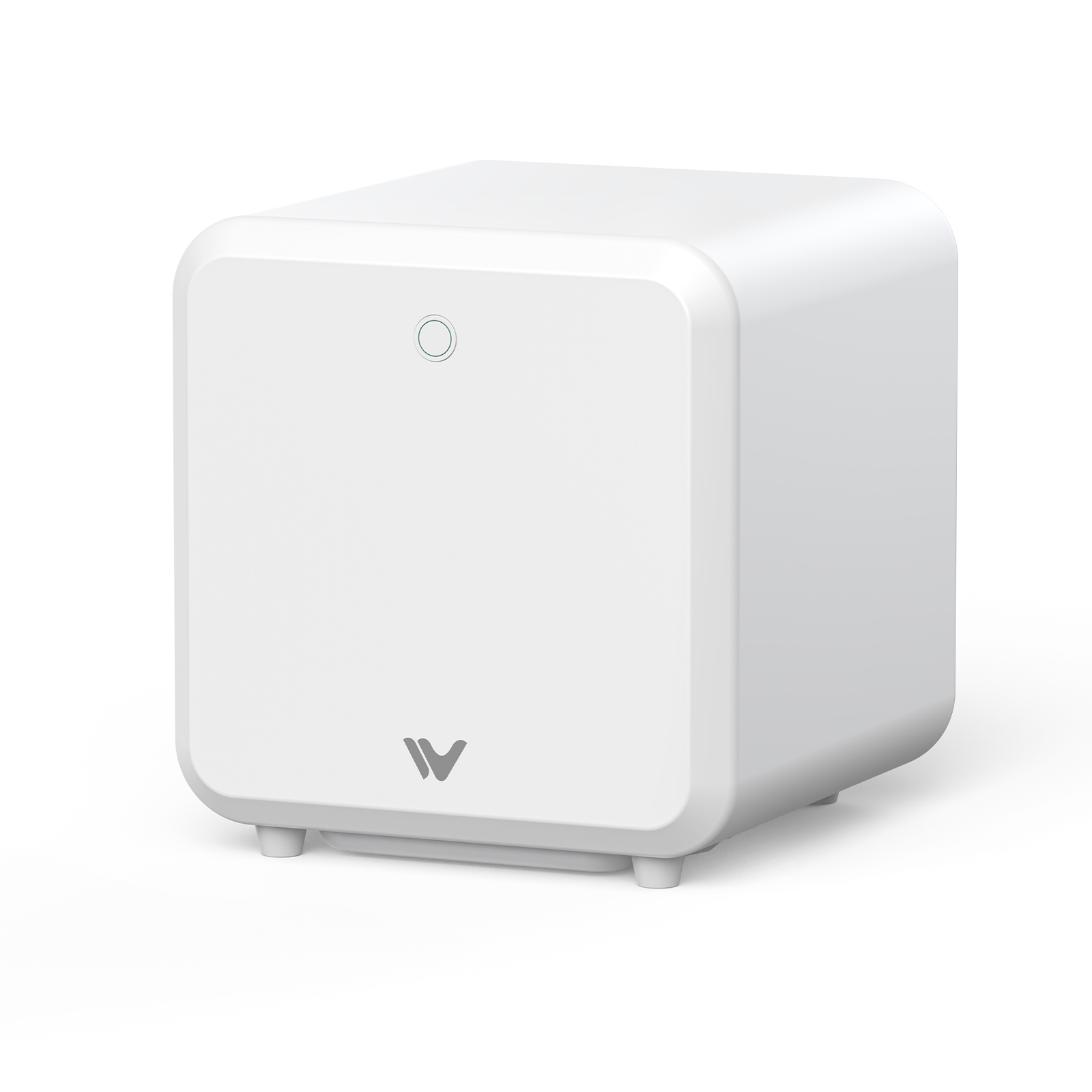
Precise, low-thermal-impact 355nm marking has historically lived mostly in expensive industrial equipment built for factory lines, not desktop studios. The WeCreat Lumos Ultra brings that same 355nm cold-marking approach into a desktop-oriented UV platform — a 6W UV laser built for creators and small businesses rather than industrial production floors.
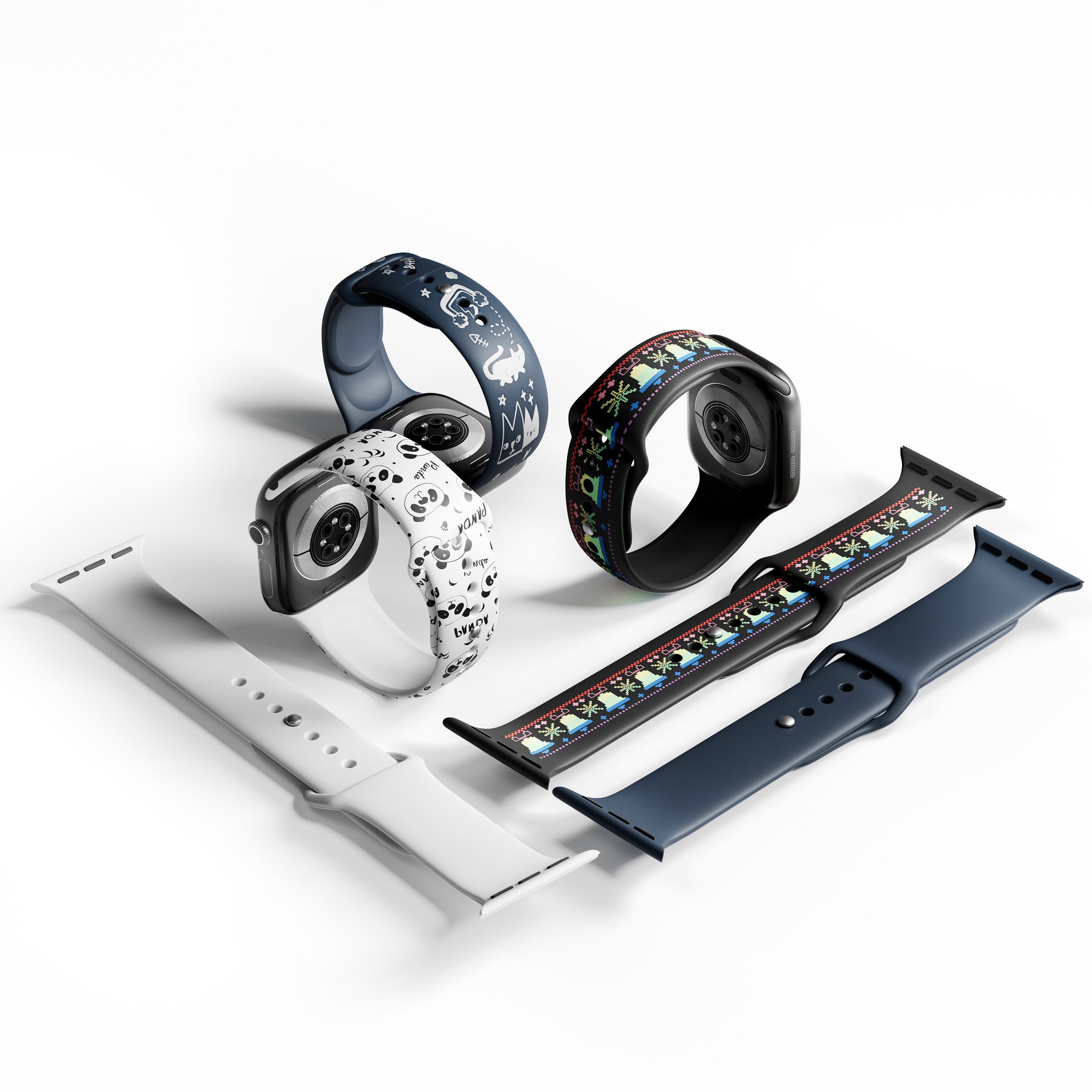
Minimal thermal impact, practically speaking: For small business owners working with delicate glassware, acrylics, silicone wristbands, or electronics housings, that small heat-affected zone is what keeps custom pieces looking clean instead of scorched or cracked.
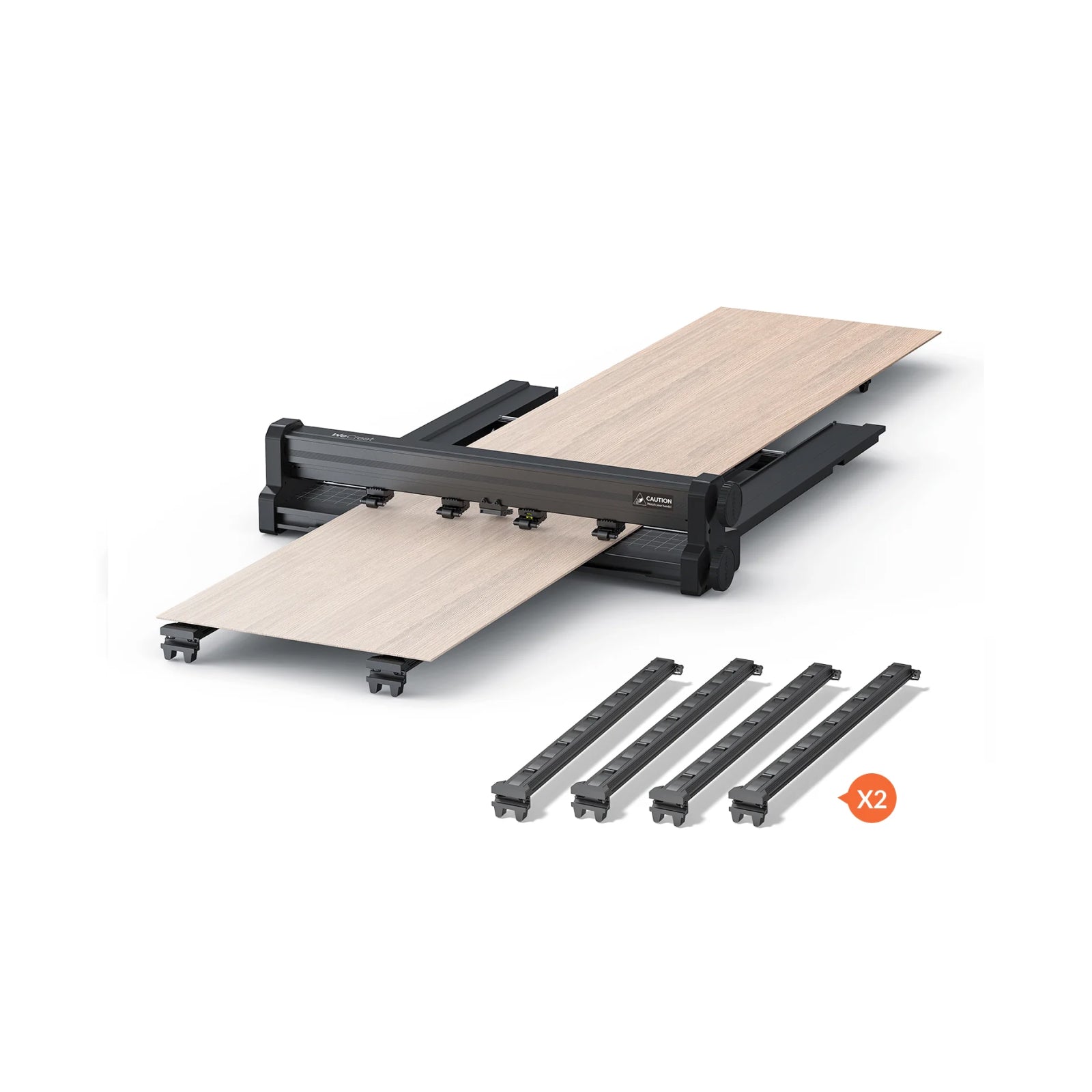
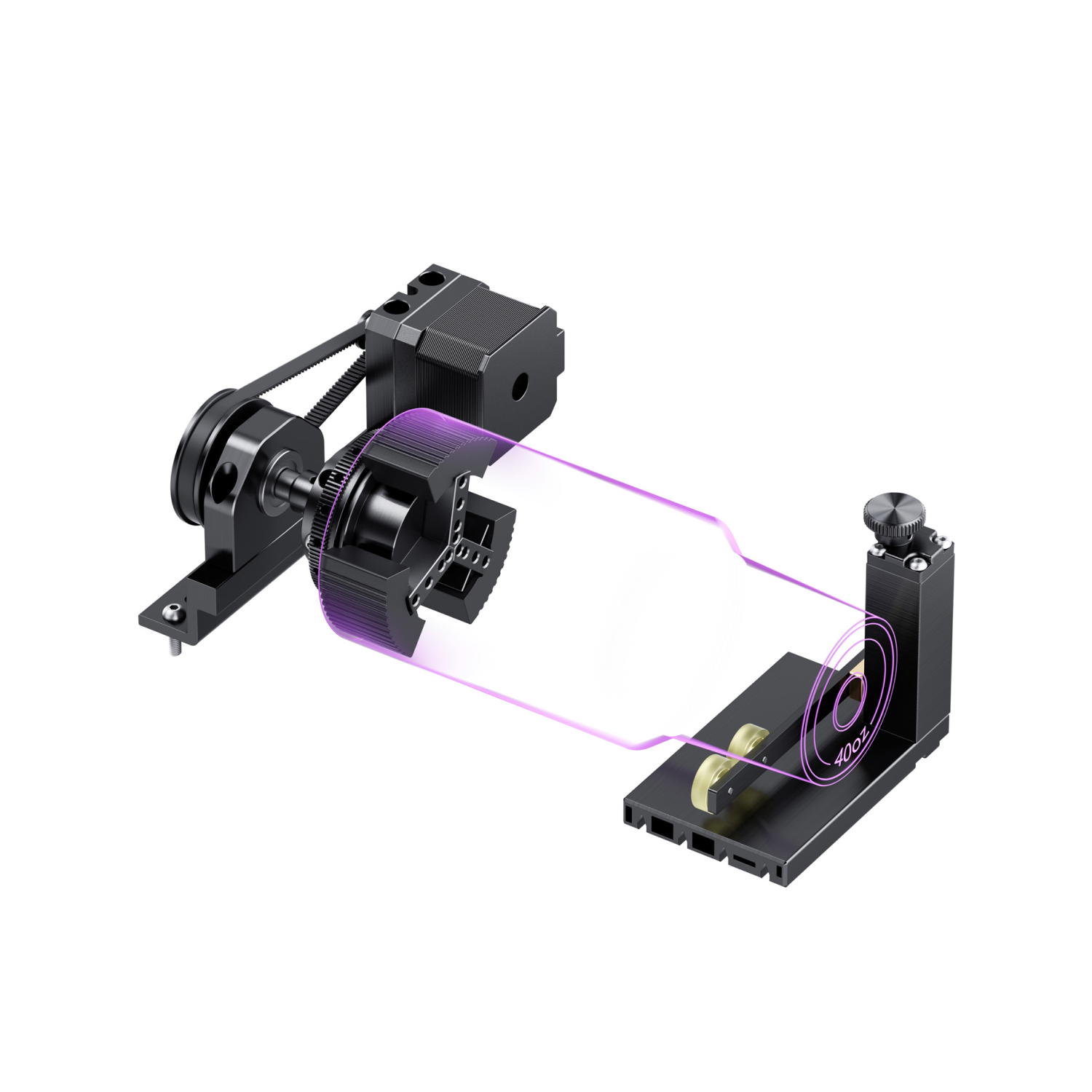
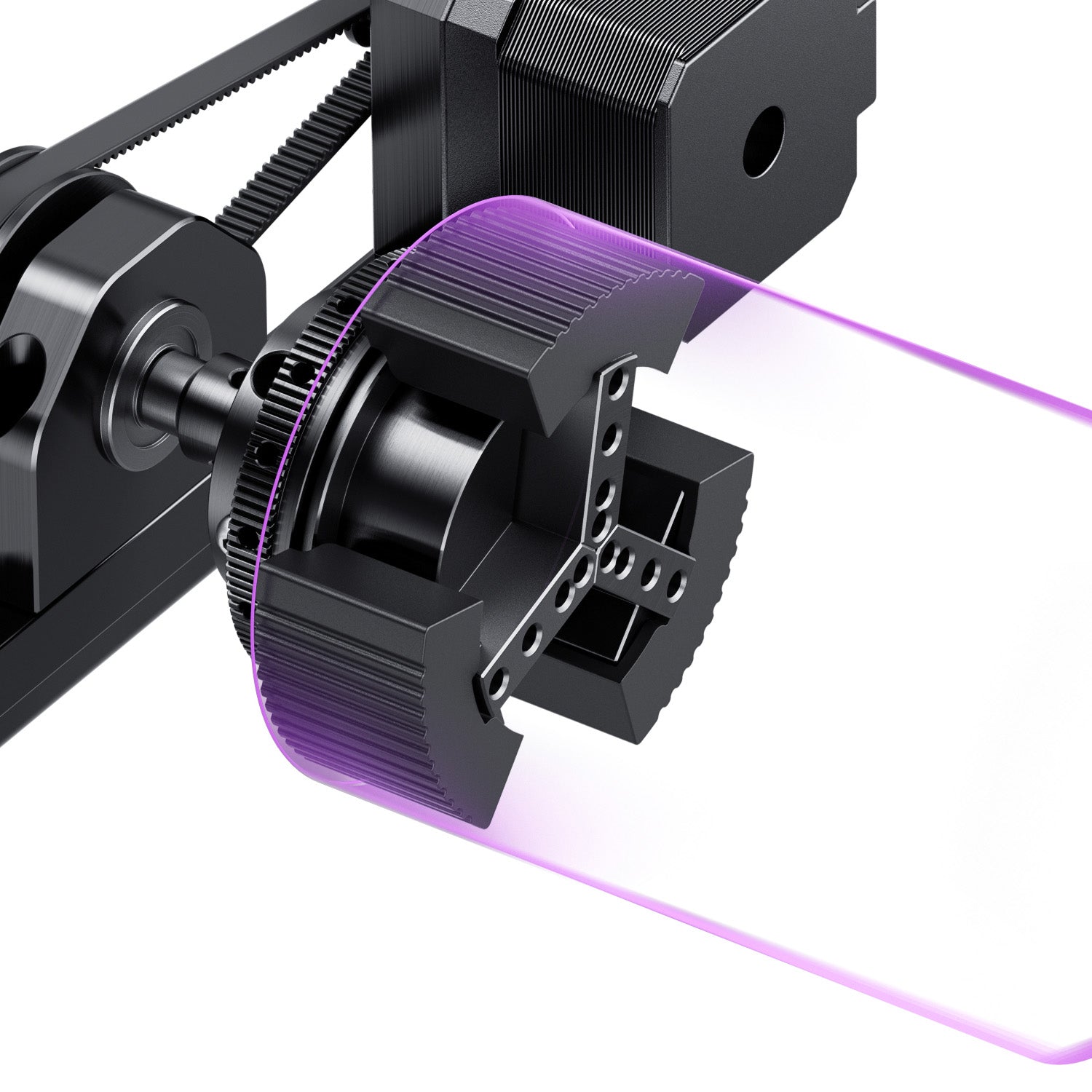
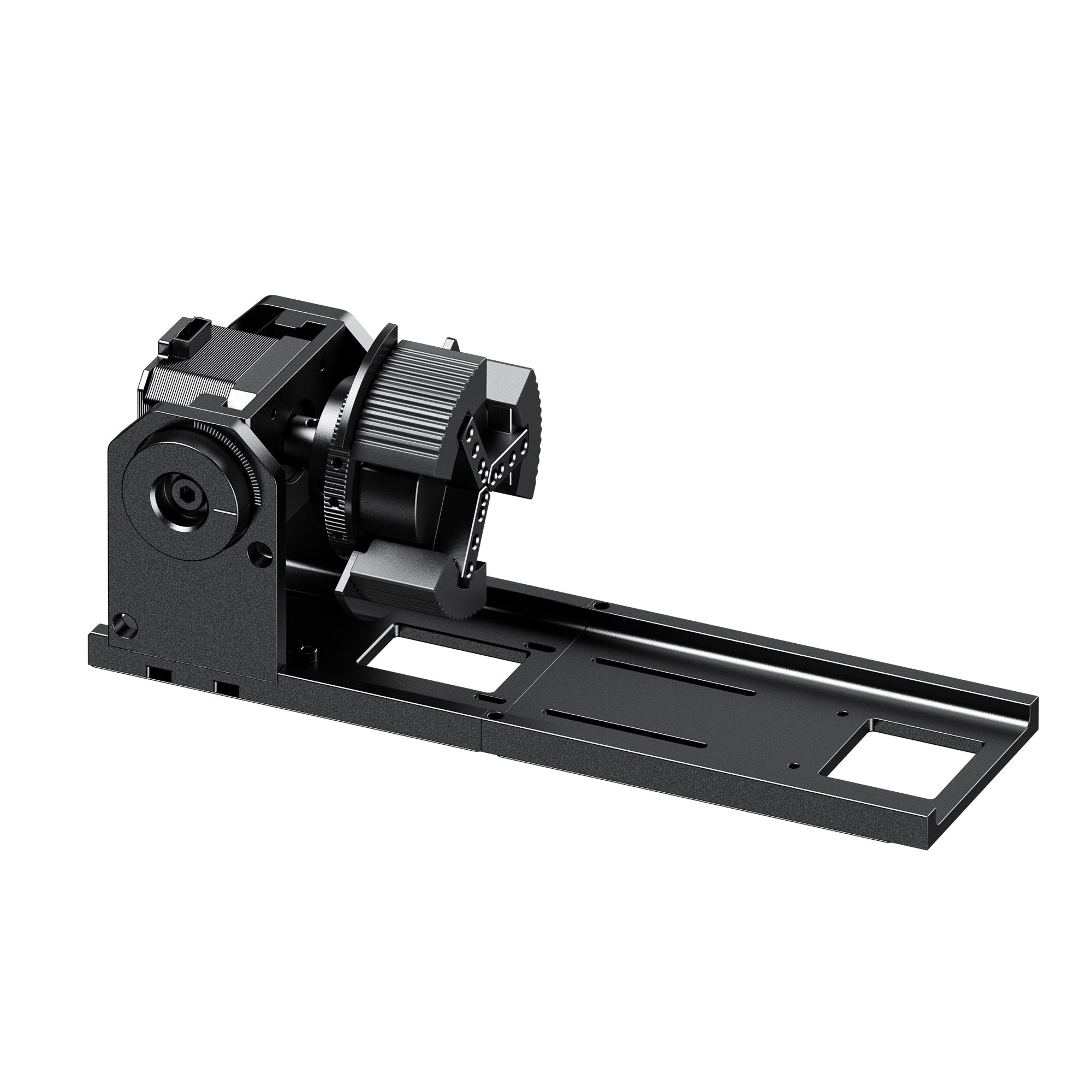
A workflow built around getting to a finished piece faster: Rotary attachment support, camera-guided positioning, and software features tuned for curved and 3D surfaces all aim at the same goal: fewer manual adjustments between "I have a design" and "I have a finished, aligned engrave."
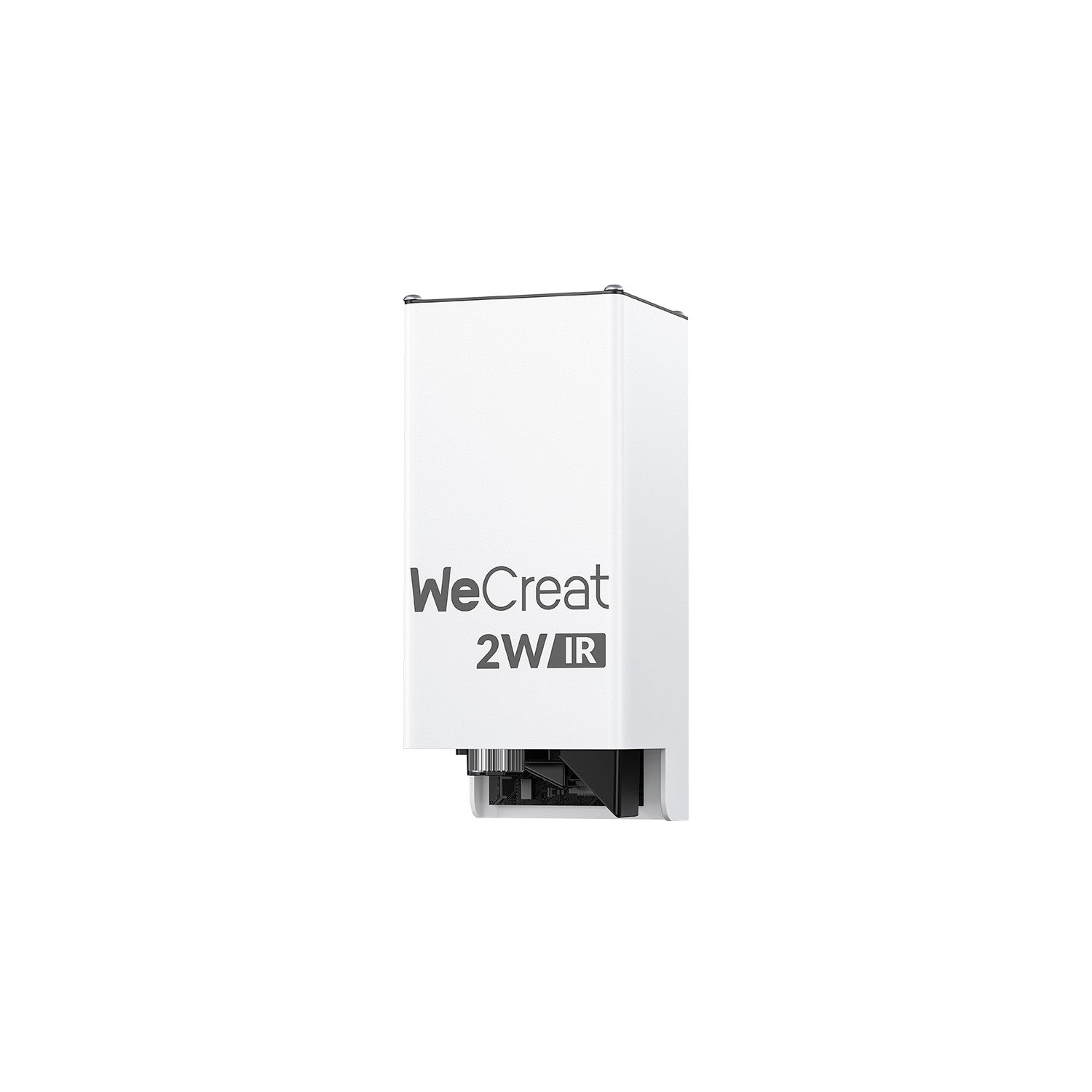
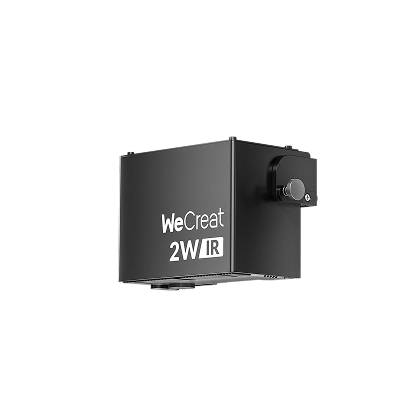
Room to grow into metal: High-power fiber processing remains the stronger choice for deep and high-volume metal work — that hasn't changed. So the Lumos Ultra pairs its 6W UV source with an optional 60W or 100W MOPA fiber laser module, giving one platform access to both: low-thermal-impact UV processing and high-power MOPA fiber metal processing. It's two fundamentally different laser technologies in a single workstation, not one machine stretched to try to do both jobs.

Decision Checklist: Which Machine Should You Buy?
Choose a fiber laser engraver if:
- You're primarily processing bare metal tools, stainless steel tumblers, brass tags, or deep metal dies
- You need heavy-duty metal ablation and deep engraving
- Speed on raw metal is your top priority
- You prioritize production throughput over low thermal impact
Choose a UV laser (like the WeCreat Lumos Ultra) if:
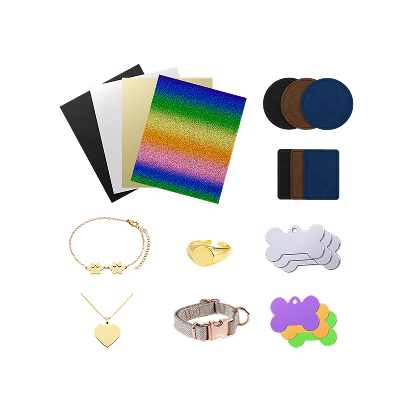
- Your product line features glass, clear acrylic, heat-sensitive plastics, ceramics, or delicate electronics
- You need ultra-fine micro-detail with minimal charring, melting, or thermally induced surface damage
- You want a desktop platform with room to add metal capability later rather than committing to two separate machines upfront
- You need consistent results on materials that are difficult to process thermally
Quick reference by material:
| If you mainly engrave... | Better choice | Why |
|---|---|---|
| Stainless steel tools | Fiber | Fast metal marking |
| Deep metal engraving | Fiber | Higher material removal |
| Aluminum business cards | Fiber | Efficient metal processing |
| Metal jewelry | MOPA fiber | Pulse control for fine metal detail |
| Clear glass | UV | Lower thermal impact |
| Crystal | UV | Fine, low-thermal-impact processing |
| Clear acrylic | UV | Higher UV absorption |
| Heat-sensitive plastic | UV | Lower thermal impact |
| PCB / electronics | UV | Fine processing on sensitive materials |
| Fine micro-marking | UV | Smaller focused spot and low thermal impact |
| Color metal marking | MOPA fiber | Pulse-width control |
| High-volume metal production | Fiber | Higher output |
Conclusion
Fiber and UV lasers aren't competing technologies where one simply replaces the other. Fiber generally wins when a job needs speed, depth, or strong contrast on metal. UV generally wins when absorption, fine detail, and low thermal impact matter more — glass, plastics, electronics, and other heat-sensitive applications.
The easiest way to choose is to start with the result you need, not just the material you have: fiber for speed and depth on metal, UV for precision and low thermal impact, and a UV + MOPA platform when your workflow spans both.