







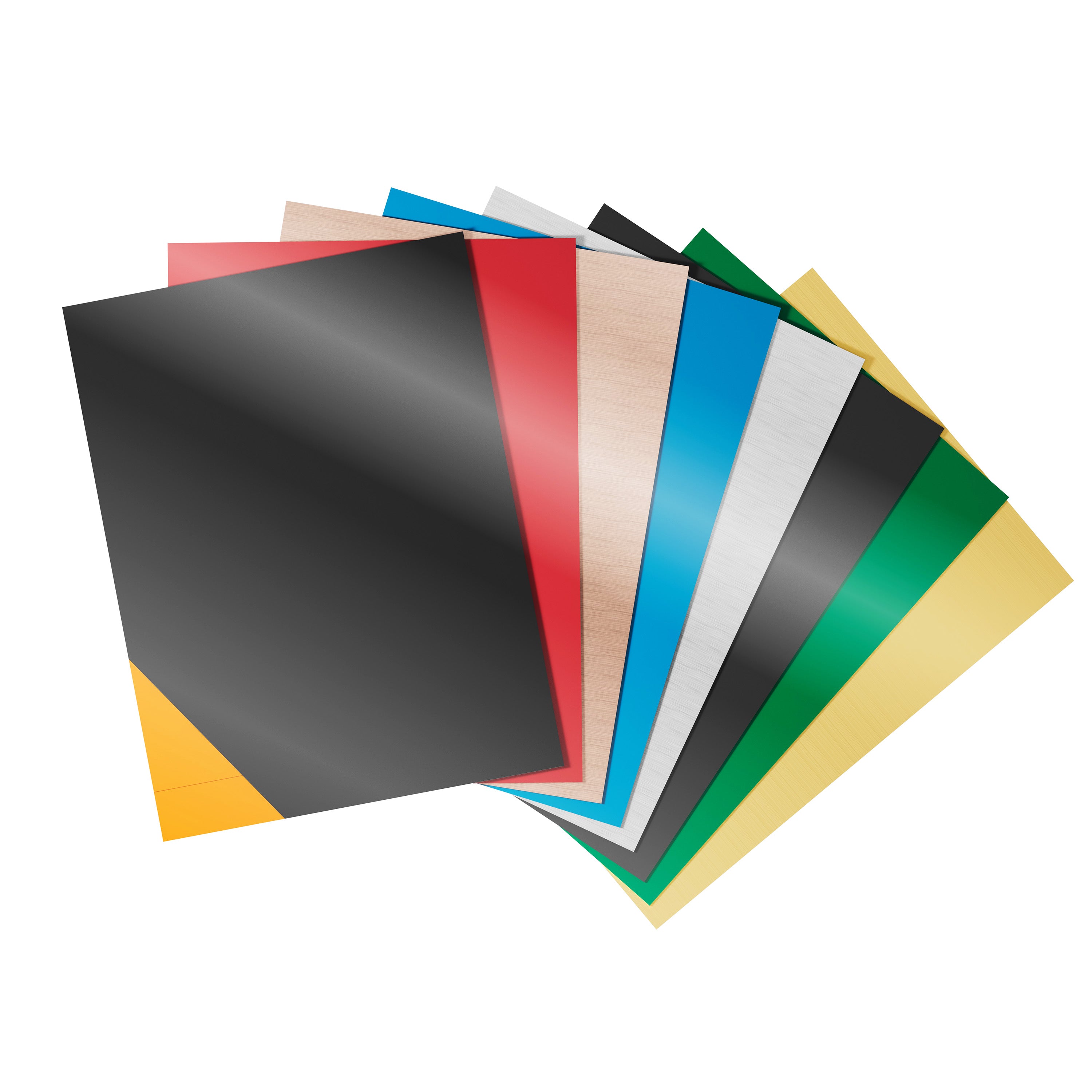

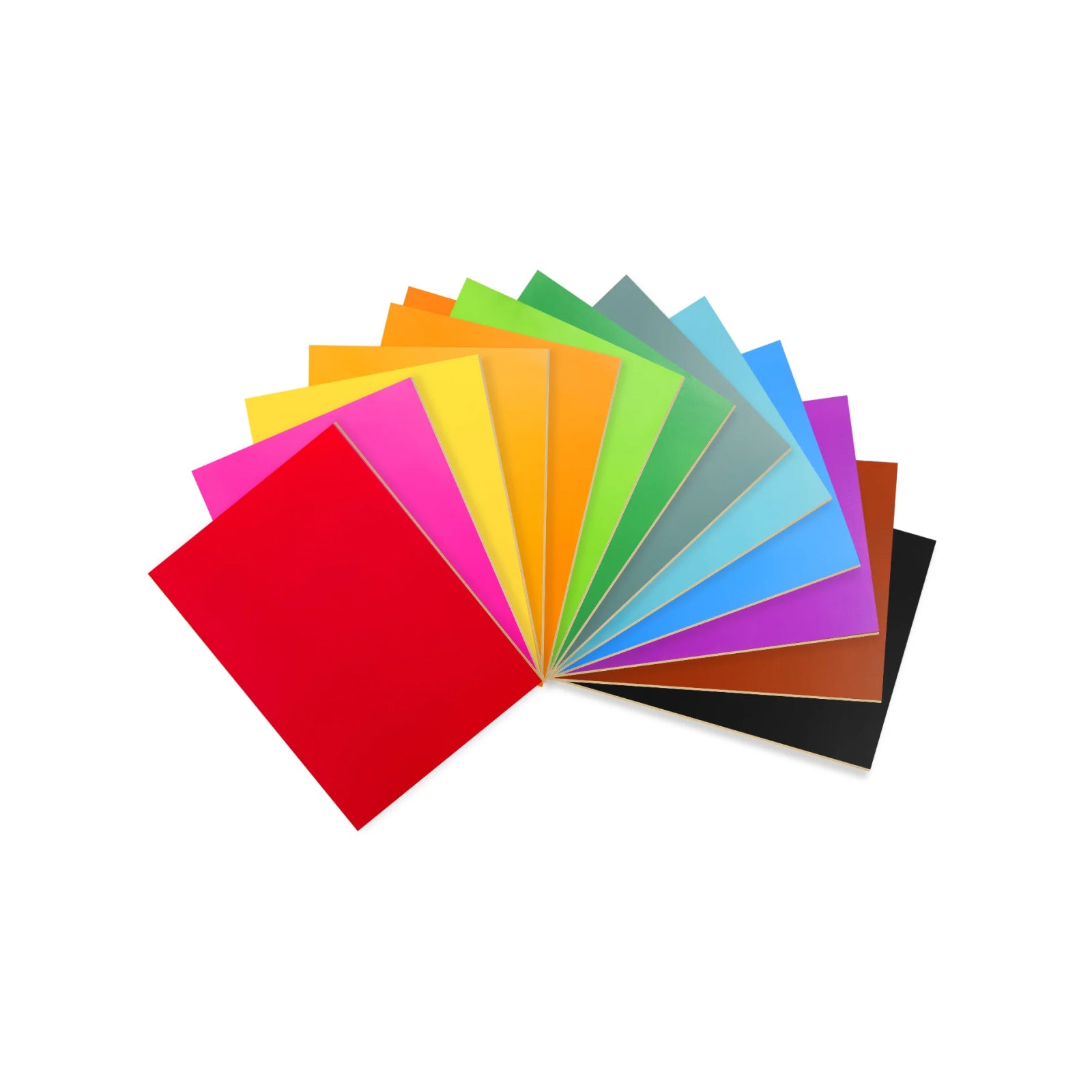
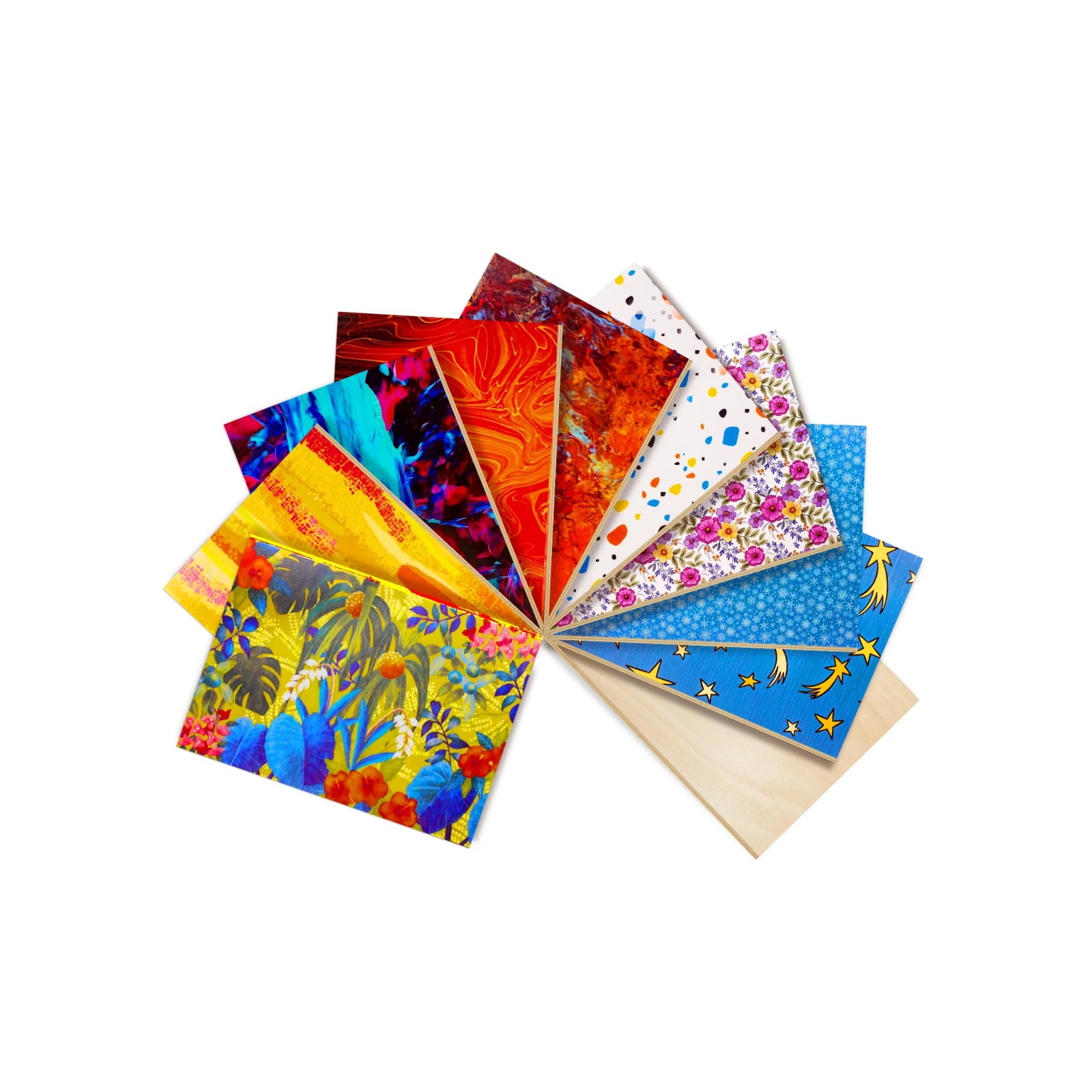


Every maker who's pushed into metal engraving eventually hits the same wall: burnt or discolored surfaces, flat gray marks where vibrant color should be, or dark plastics that won't take a clean, legible mark no matter how the settings are tweaked. These aren't equipment failures — they're the limits of standard laser technology showing up right when a project gets ambitious.
The question isn't whether a MOPA laser is more powerful — it's whether its additional control solves the specific challenges your current laser cannot handle.
A MOPA laser engraver is an advanced type of fiber laser that uses adjustable pulse width technology to precisely control heat input, color marking, and engraving depth. Understanding how that technology actually works — not just that it's capable, but why — is what separates an informed hardware purchase from an expensive guess. This guide breaks down what a MOPA fiber laser is, how it works, and when you genuinely need one.
What Is a MOPA Laser?
MOPA stands for Master Oscillator Power Amplifier
A standard fiber laser is optimized around a narrower operating range, while a MOPA fiber laser gives operators a much wider adjustment window. Think of it like the difference between a fixed-gear bicycle and a 21-speed mountain bike — you can choose the right setting for delicate materials or aggressive metal engraving.
How Does a MOPA Laser Work?
Understanding the mechanism makes the practical benefits much easier to reason about.
The two-stage process:
Master Oscillator (MO): generates the initial seed laser beam, with adjustable pulse widths set at this stage.
Power Amplifier (PA): takes that seed beam and amplifies it to the desired output power — without degrading beam quality in the process.
Why adjustable pulse width matters:
Short pulses deliver low heat impact, which is exactly what's needed for marking delicate plastics, dark anodized aluminum, or thin foils without scorching them.
Long pulses deliver higher energy density, better suited to deep engraving or more aggressive metal removal where you actually want significant material impact.
Standard fiber lasers can't make this tradeoff on the fly — they're built around one pulse profile. A MOPA laser can move between both extremes (and everywhere in between) depending on what the job in front of you calls for.
In practical terms, MOPA technology gives creators control over how much heat reaches the material surface, rather than simply increasing laser power.
Key Benefits: Why Crafters & Businesses Choose a MOPA Laser Engraver
The root capability behind everything on this list is precision heat control — MOPA's adjustable pulse width lets the laser deliver exactly the right amount of energy for a given material, rather than applying one fixed intensity and hoping the result is clean. That control unlocks a few specific advantages:
Vibrant color engraving on stainless steel & titanium. MOPA generates controlled oxide layers on the metal's surface, producing genuine rainbow gradients and deep black marks without inks, dyes, or chemical treatments involved. Color effects depend on material composition and optimized laser parameters, so not every metal produces the same results — testing on your specific material batch is still part of the process, not something you can assume works the same across every supplier.
High-contrast black marking on anodized aluminum and stainless steel. On anodized aluminum, MOPA achieves crisp dark marks while leaving the protective oxide coating largely intact, rather than stripping through it the way an overly aggressive standard laser pass can. It can also produce deep black marks on stainless steel under optimized settings — a finish that's genuinely difficult to achieve consistently with standard fiber or IR lasers.
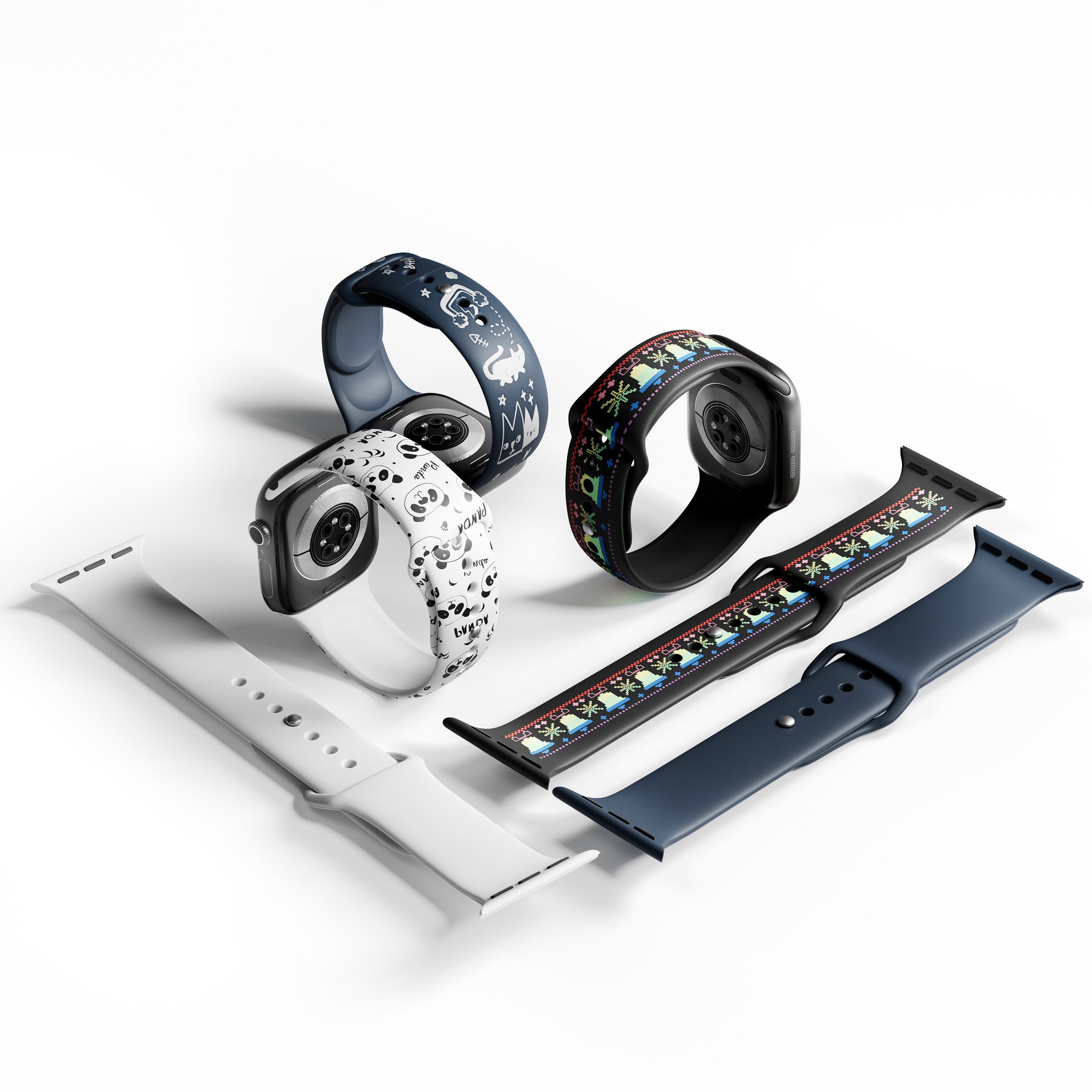
Minimal heat damage on delicate plastics. Materials like ABS, polycarbonate, and PVC can be marked cleanly without melting, warping, or discoloring the surface around the mark — a common failure point for lasers without pulse-width control.
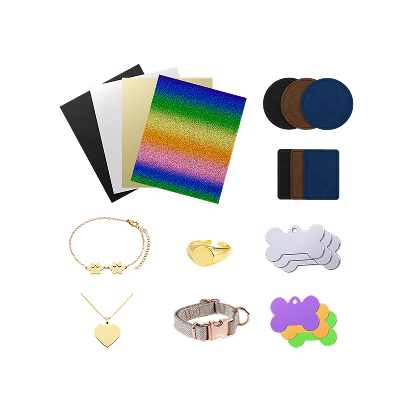
Broader material flexibility overall. For small businesses, that translates directly into more product offerings — jewelry, custom tumblers, and metal business cards from a single machine rather than several specialized ones.
Is MOPA Different From a Regular Fiber Laser?
A MOPA laser is a type of fiber laser, but the difference lies in pulse control. Traditional fiber lasers are excellent for standard metal marking, while MOPA systems provide additional control for applications requiring precise heat management, such as color marking and sensitive materials. It's also worth distinguishing MOPA from the compact infrared (IR) modules bundled with many desktop diode machines — those are useful for light everyday marking, but they don't offer the same pulse-width control or color range as a dedicated MOPA system.
Real-World Applications & Inspiration
Jewelry & watch customization: Micro-engraving on precious metals like gold, silver, and titanium, where both fine detail and controlled heat matter enormously.
Custom tumblers & drinkware: Likely the single most popular MOPA application out there — stainless steel tumblers let creators combine deep engraving, black marking, and color effects on the same product, which is a big part of why MOPA shows up so often across the custom drinkware market.
Industrial & promotional products: QR codes, barcodes, and serial numbers on anodized tools and gear, where legibility and durability both count just as much as the mark itself.
Personalized metal gifts & custom products: Engraved knives, cards, and awards — the category where MOPA's color engraving genuinely can't be replicated by other laser types.
Browse WeCreat's full range of laser engravers to compare options across diode, UV, and MOPA technology.
MOPA Laser Engraver: Pros and Cons
Advantages:
- Precise heat control across a wide range of materials
- Genuine stainless steel and titanium color engraving
- Cleaner, more reliable marking on heat-sensitive plastics
- Broader customization options for growing a product line
Limitations:
- Higher cost than standard fiber, diode, or IR-based engraving lasers
- Requires more parameter adjustment and testing than a fixed-setting laser
- Not the ideal tool for everyday wood or acrylic projects, where a diode or CO2 laser is usually more cost-effective
Bringing MOPA Technology to Desktop Creators
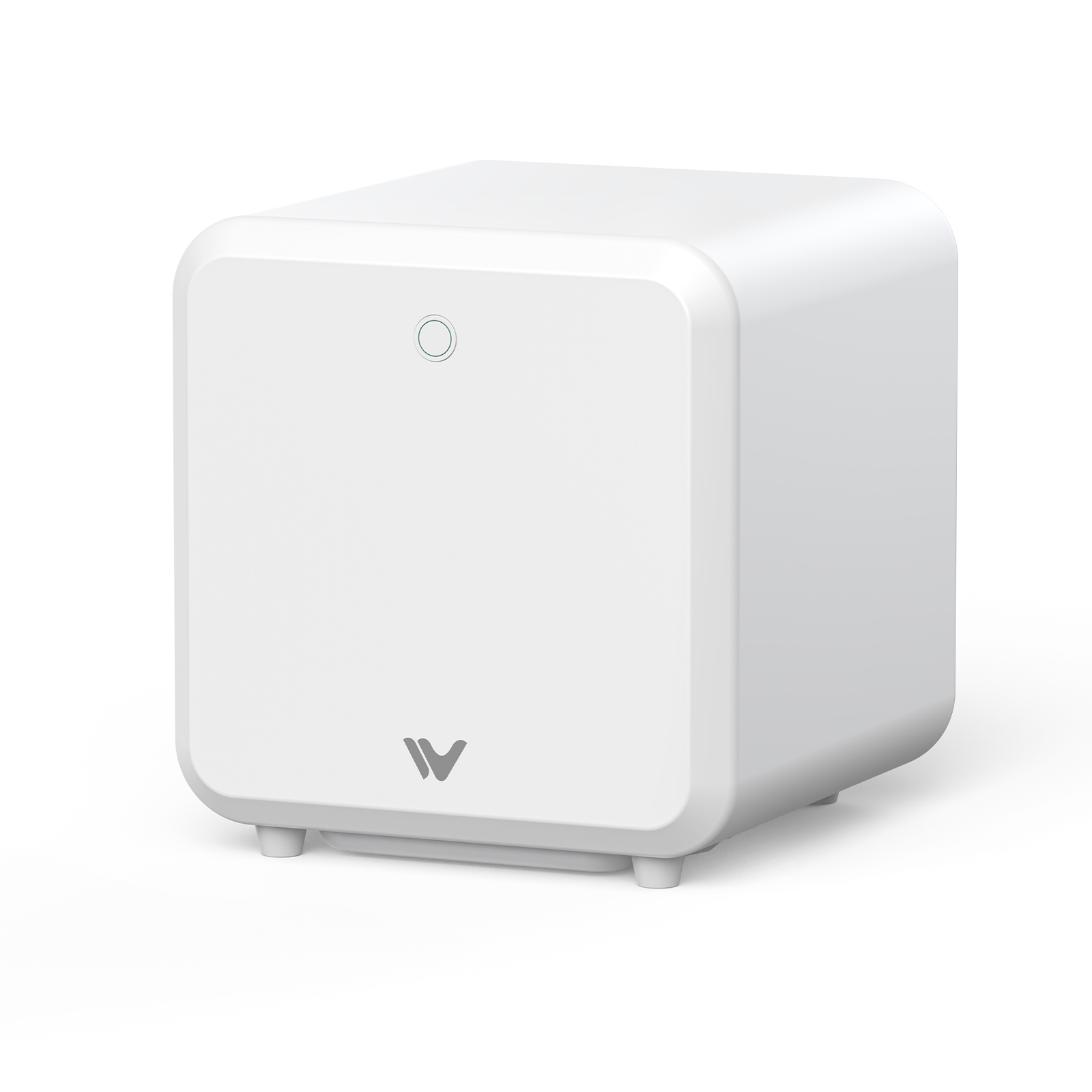
If MOPA's capabilities sound like exactly what your projects have been missing, WeCreat's Lumos Ultra features a high-power JPT MOPA fiber laser module designed for professional-grade metal engraving applications, paired with a 6W UV laser in the same desktop system. It brings that level of color engraving and metal processing into a creator-friendly desktop format rather than an industrial floor unit.
It's worth being clear about the distinction here: WeCreat's other desktop machines that include a compact infrared module are genuinely useful for everyday metal marking, but they don't offer the same pulse-width control or color engraving range as a dedicated MOPA module. If that specific capability — real color control on stainless steel and titanium, deep engraving, and clean marking on delicate plastics — is what you're after, the Lumos Ultra's UV MOPA laser module is the part of WeCreat's lineup built for it.

Software simplicity. WeCreat MakeIt software, along with LightBurn compatibility, is built to make adjusting pulse settings, frequency, and material profiles genuinely approachable — making advanced laser parameters easier for desktop creators to manage.
Is a MOPA Laser Right for You?
If your work is limited to standard wood, leather, or acrylic projects, a MOPA laser is more capability than you currently need. But if you've hit the specific wall this guide opened with — burnt metal, flat color, or plastics that won't mark cleanly — MOPA is the technology built to solve exactly that problem. Understanding these differences helps you decide whether MOPA is the right investment for your workflow — or whether another laser technology is a better fit.
Frequently Asked Questions
Q1. Is a MOPA laser worth the extra cost?
It depends on what you're making. If your work is limited to standard wood, leather, or acrylic projects, the extra cost isn't justified. If you need vibrant color on stainless steel or titanium, or clean marking on heat-sensitive plastics, MOPA solves problems that standard fiber or IR lasers genuinely can't.
Q2. Can a MOPA laser engrave stainless steel?
Yes — and this is one of MOPA's signature applications. Beyond standard marking, MOPA can produce vibrant color effects and deep black marks on stainless steel by precisely controlling the metal's oxide layer, something standard fiber and IR lasers can't reliably replicate.
Q3. What's the difference between MOPA and a standard fiber laser?
Both are fiber lasers, but a standard (Q-switched) fiber laser fires at one fixed pulse setting, while MOPA allows independent control over pulse width and repetition frequency. That adjustability is what enables MOPA's wider range of effects, from delicate low-heat marking to deep, aggressive engraving.
Q4. Can a MOPA laser color metal without ink or dye?
Yes. MOPA's color effects come from controlling oxide layer formation on the metal's surface through precise pulse control — no inks, dyes, or chemical treatments involved. Results still depend on the specific metal and its composition, so testing on your material is part of the process.
Q5. Is MOPA better than IR for metal marking?
For basic marking, a compact IR module can be perfectly adequate. For vibrant color engraving, deep marking, or fine control over heat-sensitive materials, MOPA offers a level of precision and range that IR modules aren't built to match.