










Selling handmade products is only half the challenge. The other half is choosing where to sell them. Etsy, Amazon Handmade, Shopify, wholesale marketplaces, and art-focused platforms all work differently when it comes to traffic, fees, branding, and order volume — and picking the wrong one for your stage of business is an easy way to lose margin before you've made a sale. Before choosing a platform, make sure your business foundation is solid by checking out our complete laser engraving business guide.
Marketplace fees, subscription costs, and even which platforms are still operating change often enough that it's worth verifying before you commit inventory to one. Here's where things stand as of late 2026.
Where to Sell Handmade Items: 10+ Places to Sell at a Glance
| Platform | Type | Best For | Fees / Model | Top-Selling Categories |
|---|---|---|---|---|
| Etsy | Marketplace | Beginners & custom crafts | $0.20 listing + 6.5% transaction + payment processing; Offsite Ads may add 12–15% on qualifying orders | Engraved wooden gifts, custom jewelry |
| Amazon Handmade | Marketplace | Scaled global traffic | 15% referral fee or $0.30 minimum per unit | Personalized home decor & drinkware |
| Shopify | Own store | Higher margins & brand autonomy | $29/mo billed yearly or $39/mo monthly (Basic) + payment processing | Premium custom gifts & acrylic signage |
| Big Cartel | Own store | Independent artists | Free (5 products); paid plans from $15/mo (0% transaction fee) | Handmade art prints & illustrations |
| Faire | Wholesale marketplace | B2B wholesale | 15% commission + $10 new-customer fee on first orders; payment processing also applies | Bulk wedding favors & craft kits |
| eBay | Marketplace | Quick liquidations | Category-dependent; 13.6% + per-order fee for many categories | Craft supplies & raw materials |
| Walmart Marketplace | Marketplace | Mass market e-commerce | Category-dependent referral fee, generally 6%–15% | Seasonal home decor & gifts |
| iCraft | Marketplace | Handcraft purists | $25 sign-up + low monthly plans | Custom jewelry & wearable art |
| Redbubble | Print-on-demand marketplace | Print-on-demand artists | Margin-based | Vector artwork & graphic designs |
| Folksy | Marketplace | UK artisans | £0.15 + VAT listing + 6% + VAT commission | Minimalist home crafts |
| Local / Pop-Up Markets | In-person | Direct, in-person sales | Event / stall fees | Heavy 3D laser art & local signage |
Note: marketplace fees and availability change quickly — goimagine, a values-driven handmade marketplace, closed permanently in March 2026, which is a reminder to double-check a platform is still active before listing there. Each platform emphasizes a different strength: Etsy and Amazon Handmade provide built-in marketplace traffic, Shopify gives you more control over your store and customer experience, and Faire is designed around wholesale orders.
Etsy
Etsy is a common starting point for makers because buyers already arrive there looking for handmade goods, rather than needing to be brought in through paid ads.
- Fees: $0.20 per listing + 6.5% transaction fee + payment processing. Offsite Ads can add another 12–15% on qualifying orders, and participation becomes mandatory once a shop crosses Etsy's $10,000 sales threshold over the prior 365 days.
- Best fit: personalized items where the appeal is the customization itself — engraved cutting boards, monogrammed jewelry boxes, pet memorial tags. A focused niche also makes it easier to get found in shopper search, rather than competing as one generic listing among thousands.
- Trade-off: the fee stack adds up fast on lower-priced items, and standing out takes consistently well-tagged listings rather than a one-time shop setup.
Amazon Handmade
Amazon Handmade trades a flatter fee for access to a much larger built-in customer base than Etsy.
- Fees: 15% referral fee or $0.30 minimum per unit.
- Best fit: makers with a standardized, repeatable product line and the fulfillment capacity for consistent order volume — home and lifestyle categories like personalized drinkware, home decor, and gift sets tend to move well here, since buyers search by category rather than by a specific maker's shop name.
- Trade-off: getting in is the harder part — Amazon's application process is noticeably stricter than Etsy's open sign-up.
Shopify and Big Cartel
Once a product line is proven on a marketplace, moving some volume to a self-hosted store is how sellers keep more of each sale and build something they actually own.
- Fees: Shopify's Basic plan runs $29/month on annual billing (or $39/month billed monthly) plus payment processing. Big Cartel offers a $0 plan for up to five products, with paid plans from $15/month.
- Best fit: premium, higher-ticket items — custom acrylic signage, wedding decor, branded corporate gifts — where the margin per sale justifies driving your own traffic through email and social instead of relying on marketplace search.
- Trade-off: more upfront cost than Etsy's per-listing fees, though the transaction-fee savings can outweigh that subscription cost at volume. Big Cartel is the lighter-weight option to test with, but its feature set is thinner than Shopify's.
Faire for Wholesale Handmade Products
Selling one engraved item at a time caps how much a single order is worth. Faire flips that model — boutiques and retailers place bulk orders instead of shoppers buying one at a time.
- Fees: 15% commission + a one-time $10 new-customer fee on a retailer's first order (reorders are 15% with no added fee); payment processing applies on top, and orders from retailers you bring yourself through Faire Direct carry 0% commission.
- Best fit: items that make sense in bulk — wedding favors, craft kits, gift sets a boutique can restock repeatedly.
- Trade-off: Faire rewards sellers who already have repeatable production. A retailer expects a consistent restock, not a one-off custom batch, so it fits better a few months in than in week one.
The four channels above aren't mutually exclusive. A common strategy is to use a marketplace for discovery, then add a direct-to-consumer store or wholesale channel as the business grows — starting on Etsy, layering in Shopify once repeat buyers show up, and approaching Faire once production is consistent enough to promise a retailer a reliable restock.
Where to Sell Artwork Online
If your handmade catalog leans toward original art or prints rather than functional gifts, general craft marketplaces aren't the only option — several platforms are built specifically around artwork.
| Platform | Best For |
|---|---|
| Etsy | Prints, handmade art, personalized laser-etched artwork |
| Saatchi Art | Original artwork sold to collectors |
| Fine Art America | Art prints and print-on-demand home decor |
| Artfinder | Original artwork from independent artists |
| Shopify | Building an independent art brand with full control |
For laser-cut or engraved artwork, Etsy and a self-hosted store may fit better when products are reproducible, while art-focused marketplaces such as Saatchi Art are geared more toward original artwork and collectors.
Etsy Shop Ideas for Handmade & Laser-Engraved Products

1. Personalized wooden wedding decor: Monogrammed welcome signs and place card holders sell to couples planning a wedding, where personalization is the entire point of the purchase.
2. Pet memorial gifts: Engraved pet tags, photo-etched keepsakes, and memorial plaques appeal to pet owners who want something more personal than a standard printed keepsake.
3. Engraved cutting boards: Personalized kitchen boards with names, dates, or recipes work as wedding, housewarming, or holiday gifts. They're also one of the most forgiving categories for new sellers, since mistakes on inexpensive blanks are cheap to redo.
4. Custom house signs: Address plaques and family name signs sell to new homeowners, and their higher price point usually justifies the extra production time each one takes.
5. Personalized tumblers: Engraved insulated drinkware moves well as individual gifts, and at volume it's a category companies also order for branded client or employee gifts.
6. Engraved leather accessories: Wallets, luggage tags, and keychains suit travelers and gift buyers who want something functional rather than purely decorative.
7. Laser-cut wedding invitations: Cut and engraved paper or wood invitation suites go to couples still in the planning stage, typically ordered well ahead of other wedding-gift purchases.
8. Custom pet portraits: Photo-etched pendants or wood panels of a customer's pet give buyers a more personal alternative to a printed photo.
9. Engraved jewelry: Laser-cut wood, leather, or metal-engraved charms and pendants offer an accessible entry into jewelry without requiring metalsmithing skills.
10. Craft blanks and DIY kits: Unfinished wood, acrylic shapes, and assembly kits sell to other makers rather than end consumers, which makes them useful for filling production capacity between seasonal rushes.
How to Choose Where to Sell Handmade Products
| Your Situation | Consider |
|---|---|
| I'm brand new and need traffic | Etsy |
| I want access to Amazon shoppers | Amazon Handmade |
| I want my own branded store | Shopify |
| I sell a small art catalog | Big Cartel |
| I want to sell original artwork | Saatchi Art / Artfinder |
| I want wholesale, repeat-order retailers | Faire |
| I want to sell prints or POD artwork | Fine Art America |
| I sell locally or at events | Craft fairs / pop-up markets |
Neither marketplace nor own-store is objectively better — the right one depends on whether you're still validating what sells (marketplace) or already know and are optimizing for margin and brand control (own store).
Can Laser Engraving Be a Profitable Handmade Business?
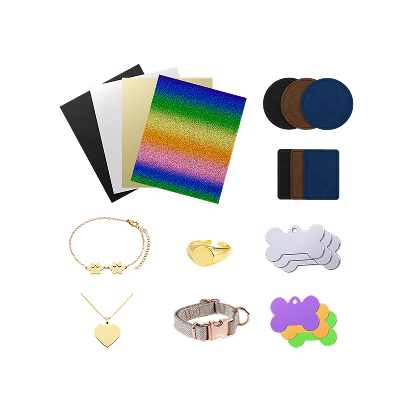
Whichever platforms you choose, personalization is what laser engraving adds to an otherwise commodity product — a plain cutting board and a monogrammed one aren't priced the same, and the difference is production time, not material cost. Batch production is where margin actually gets protected: engraving a run of identical dog tags or tumblers in one setup takes a fraction of the time of building a new custom file for every single order, which matters directly on marketplaces charging a percentage of each sale. Material range extends how many of the niches above a single setup can serve — wood and leather run on a diode or CO₂-class laser, while metal color marking and glass or crystal work need a fiber, MOPA, or UV source that a basic diode machine can't replicate.
Scaling Your Laser Engraving Business
Higher production throughput can help sellers protect margins when marketplace fees take a percentage of every order — the faster and more materials a machine can handle, the more of the shop ideas above become viable without adding a second machine. Which machine makes sense depends less on budget alone than on how you actually sell.
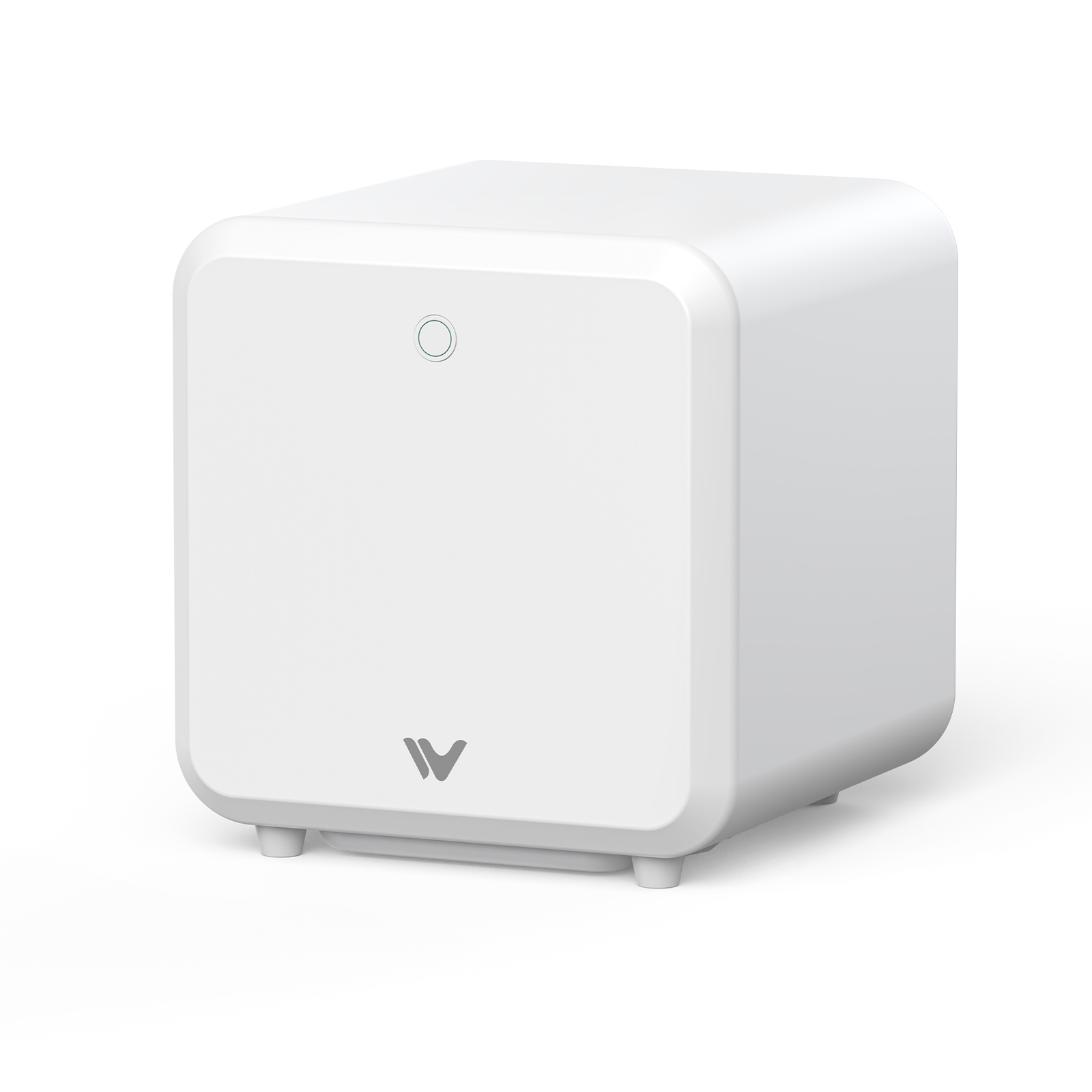
1. Best for batch orders on Etsy and Shopify: sellers fulfilling repeat orders across wood, acrylic, and leather need cutting speed and a consistent setup more than an exotic material range. The WeCreat Vision Pro 45W Diode Laser Cutter Engraver is built around that kind of volume.

I was new to laser engraving when I bought my 45w machine. I have had it now for almost a year and what fun this has been. If you like crafts or want to make a living this laser will fill the bill.
From WeCreat Users - Paul B
2. Best for craft fairs and on-site custom orders: when portability matters more than raw power, being able to carry a machine to the customer and engrave a name or date while they wait is its own selling point. The WeCreat Lumos 3W IR & 10W Diode Portable Dual Laser Engraver is built for that:

This is such a versatile and fun product! I am very new to this hobby or business but so far I am amazed at how easy this is to get started with in the easier projects but it has enough usefulness to carry me to advanced projects. Great that it is small yet powerful and with the accessories you can make it act bigger.
From WeCreat Users - Scott Eidson
3. Best for premium, higher-margin categories: glass or crystal keepsakes, advanced metal color engraving, and wedding or memorial pieces need equipment that can reach a category a diode-only setup can't touch — this is less about production volume and more about unlocking the product itself. The WeCreat Lumos Ultra 6W UV & MOPA Dual Laser Cutter Engraver covers that range:

Conclusion
The right platform depends on what you're selling and how your business operates. Marketplaces like Etsy and Amazon Handmade can provide built-in shopper traffic, while Shopify gives you more control as your brand grows. Wholesale platforms such as Faire become more relevant once your products can be produced consistently in batches, and art-focused marketplaces are worth layering in if original artwork is your main product. For laser-engraved sellers, platform choice and production capability work together: the right sales channel only helps if your equipment can produce the products profitably at the required volume.
Where to Sell Handmade & Laser-Engraved Products FAQs
Q1. Where is the best place to sell handmade items online for free?
Big Cartel offers a free plan for up to 5 items, making it a reasonable no-cost starting point. Social channels — such as Facebook groups or Instagram — can also help you sell directly without marketplace listing or commission fees, although payment-processing costs may still apply.
Q2. Is selling on Etsy still profitable in 2026?
Etsy can still be profitable in 2026, but profitability depends on your product margin, fulfillment costs, fees, and ability to differentiate from competing listings. Laser engraving tools help by cutting production time per personalized order, which offsets Etsy's listing and transaction fees more easily than a purely handmade, labor-intensive item can.
Q3. How do I transition from Etsy to my own Shopify store?
Use packaging inserts and other Etsy-compliant ways to encourage customers to visit your brand's website or social channels, while following Etsy's rules around off-platform transactions and customer communications. Driving additional traffic through short-form video content and building your own email list from your Shopify site (rather than from Etsy order data) gives you a direct channel once you're ready to shift volume off the marketplace.
Q4. Do I need different equipment to sell on Faire versus Etsy?
Not necessarily — the equipment demand comes from order volume and material range, not the platform itself. A wholesale order for 50 identical engraved tumblers needs a machine that can batch-produce quickly and consistently, while a one-off custom Etsy order rewards flexibility across materials more than raw speed.
Q5. What online marketplace for crafters has the lowest fees?
Big Cartel's free tier and low-cost paid plans generally undercut percentage-based marketplaces like Etsy and Amazon Handmade on a per-item basis, but that comparison only holds if you're already driving your own traffic — a 0% listing fee is only an advantage if buyers can actually find your store.