







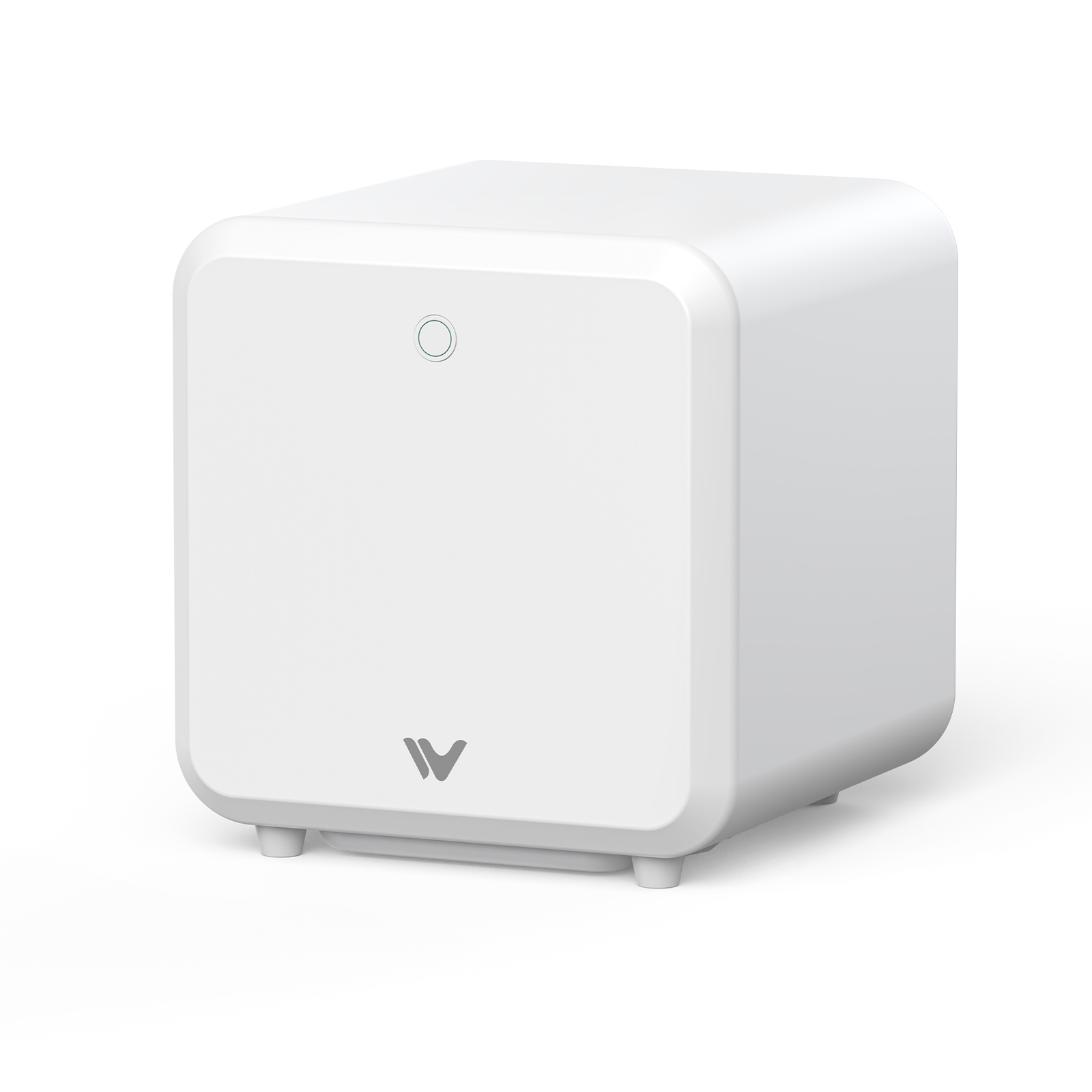
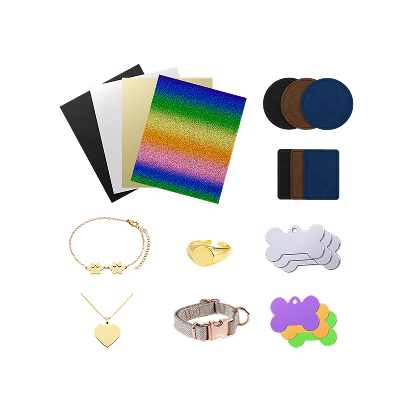
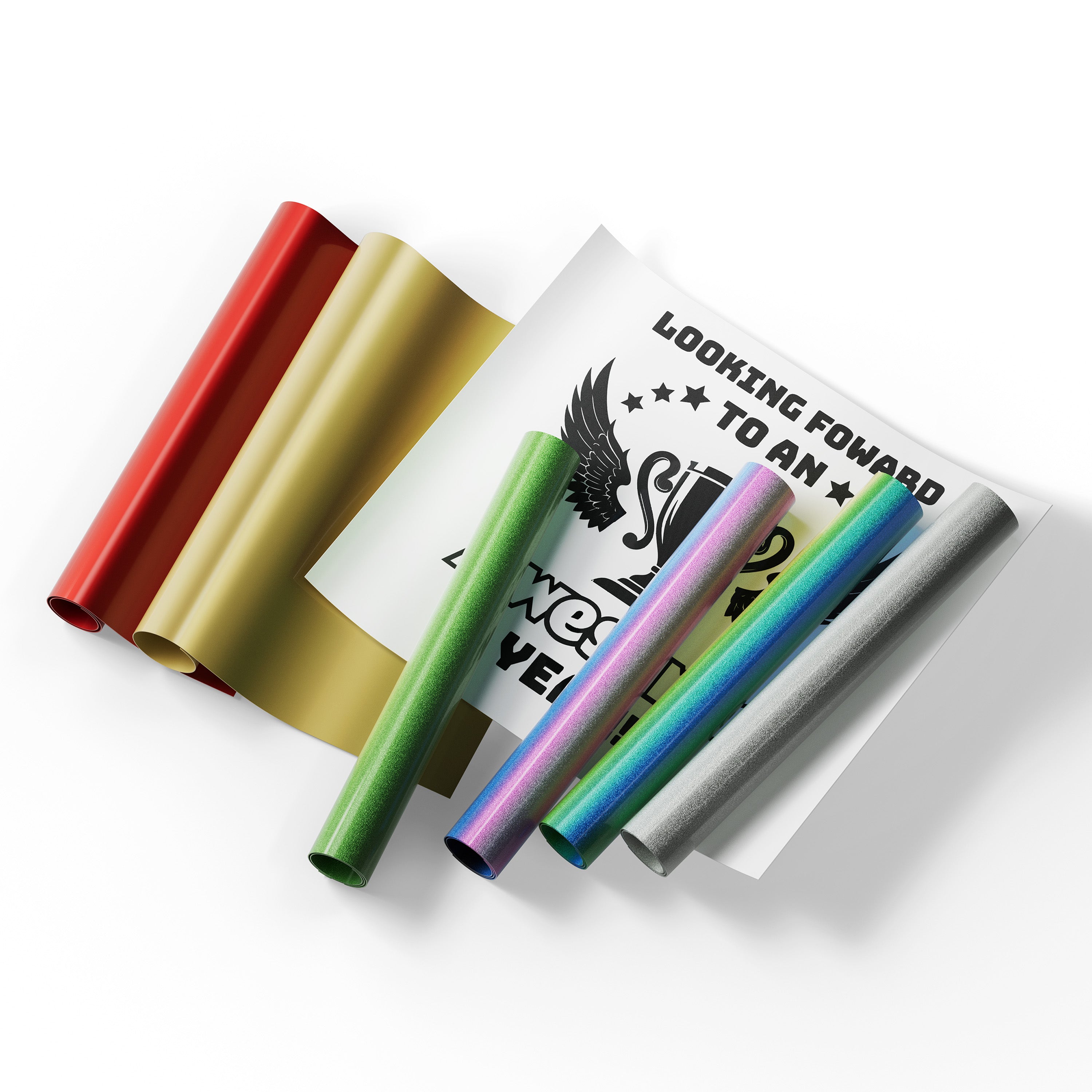
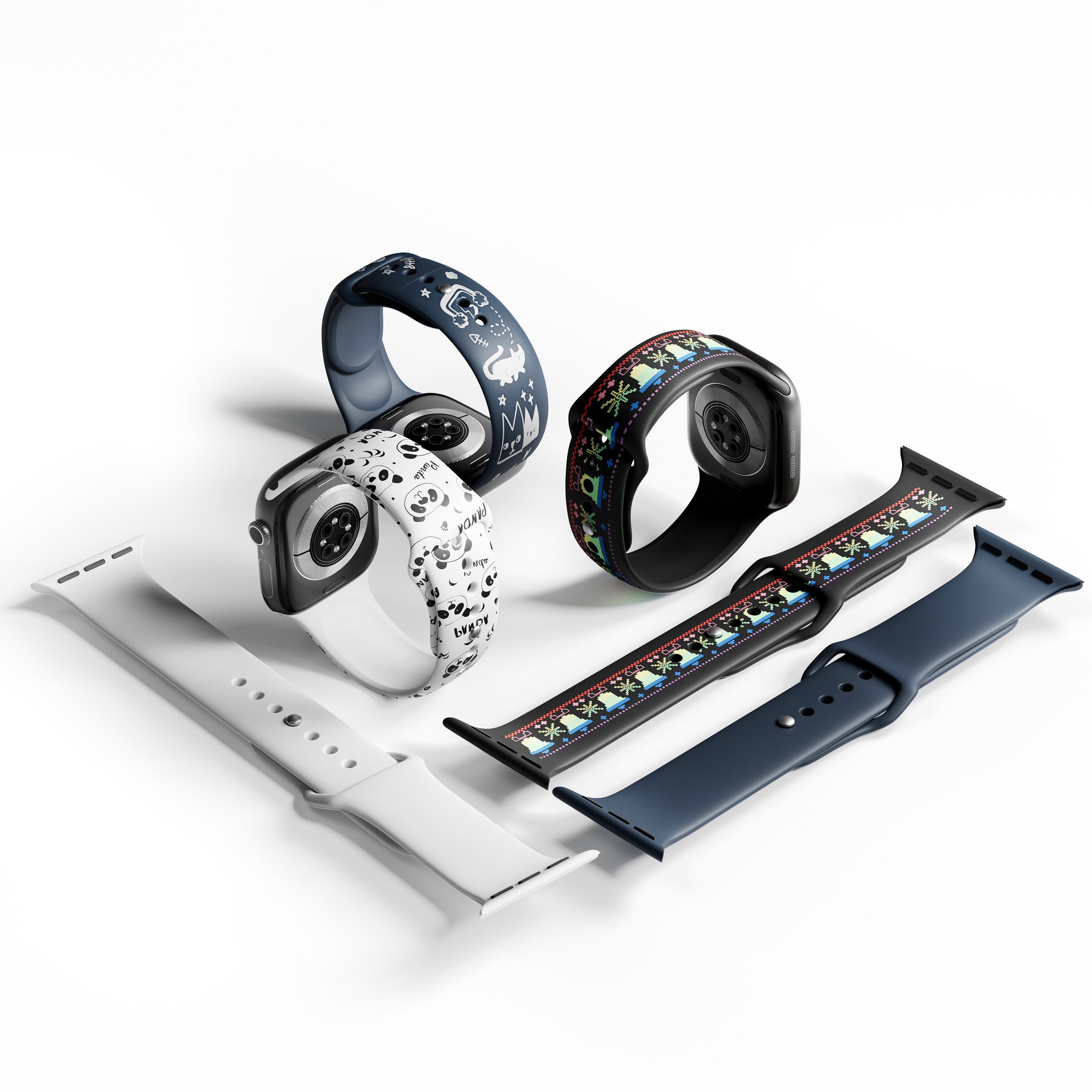



Small laser engravers and handheld engraving tools have become essential equipment for creators, small business owners, and DIY makers. Whether you want to start a profitable laser engraving side business or simply enjoy crafting personalized gifts at home, a compact and affordable laser engraver gives you professional results without needing a large workshop.

This guide explains what a small laser engraver is (and how it compares to portable models), why the category is growing so fast, which features matter most, what you can create, and how to choose the right model based on your budget and needs.
What Is a Small Laser Engraver
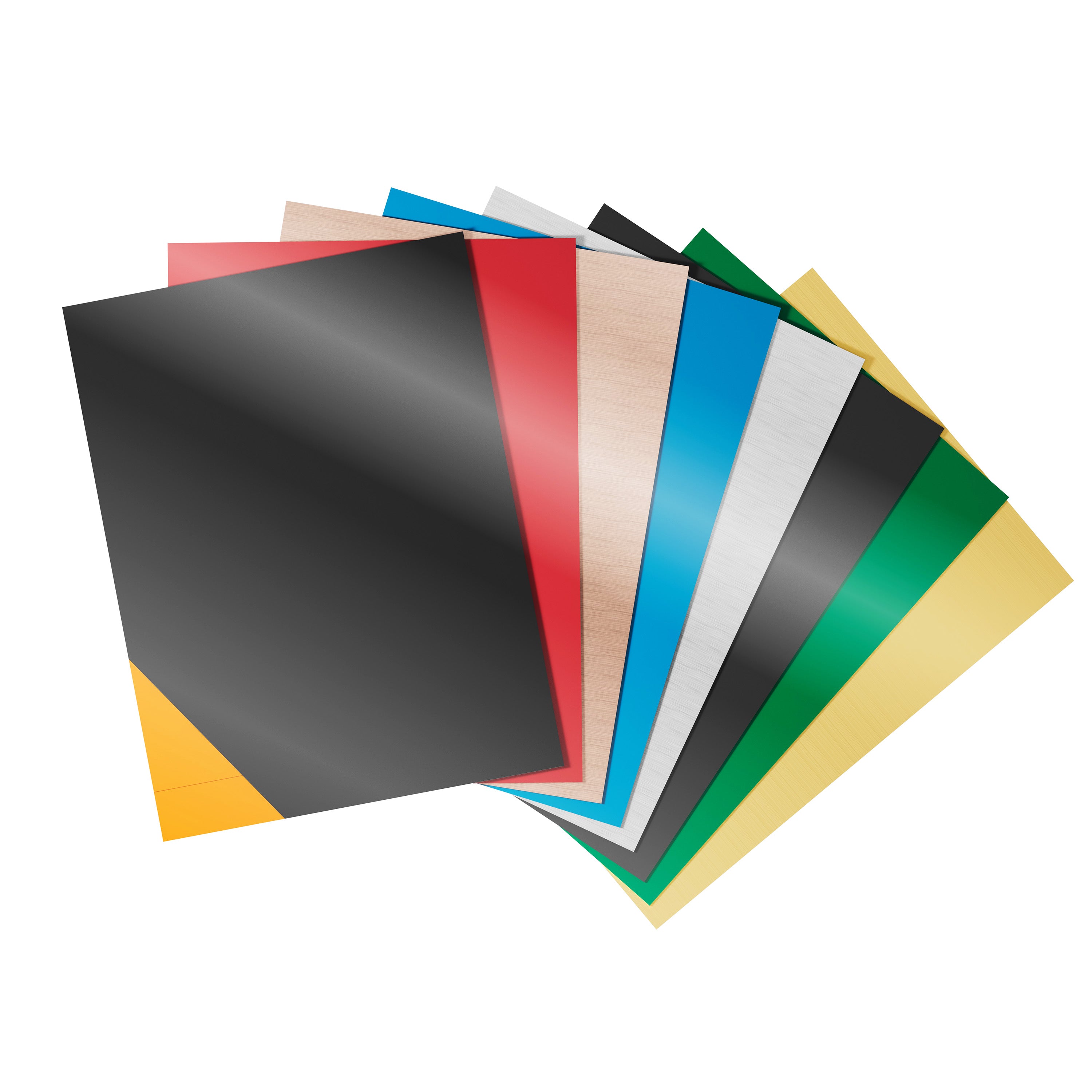
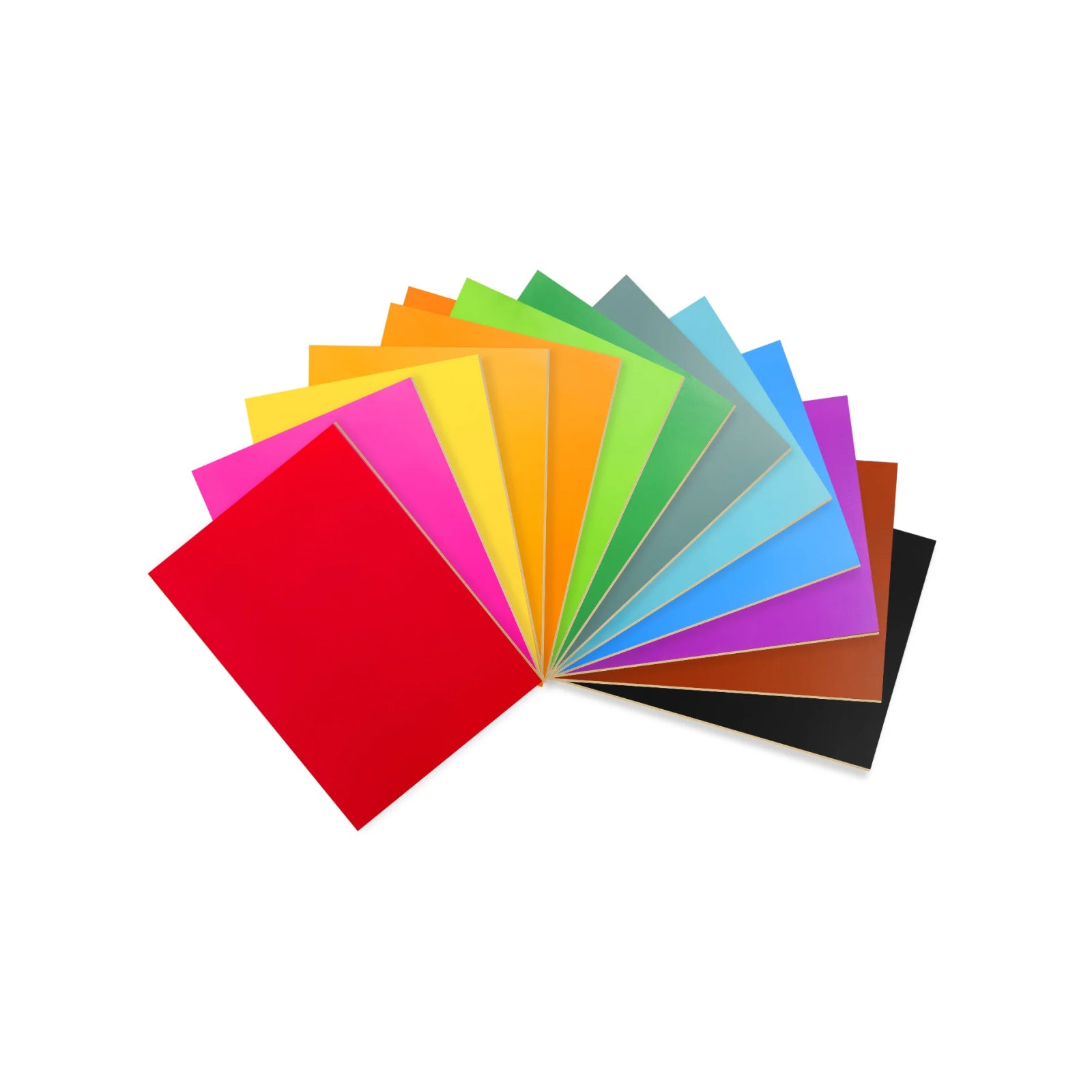
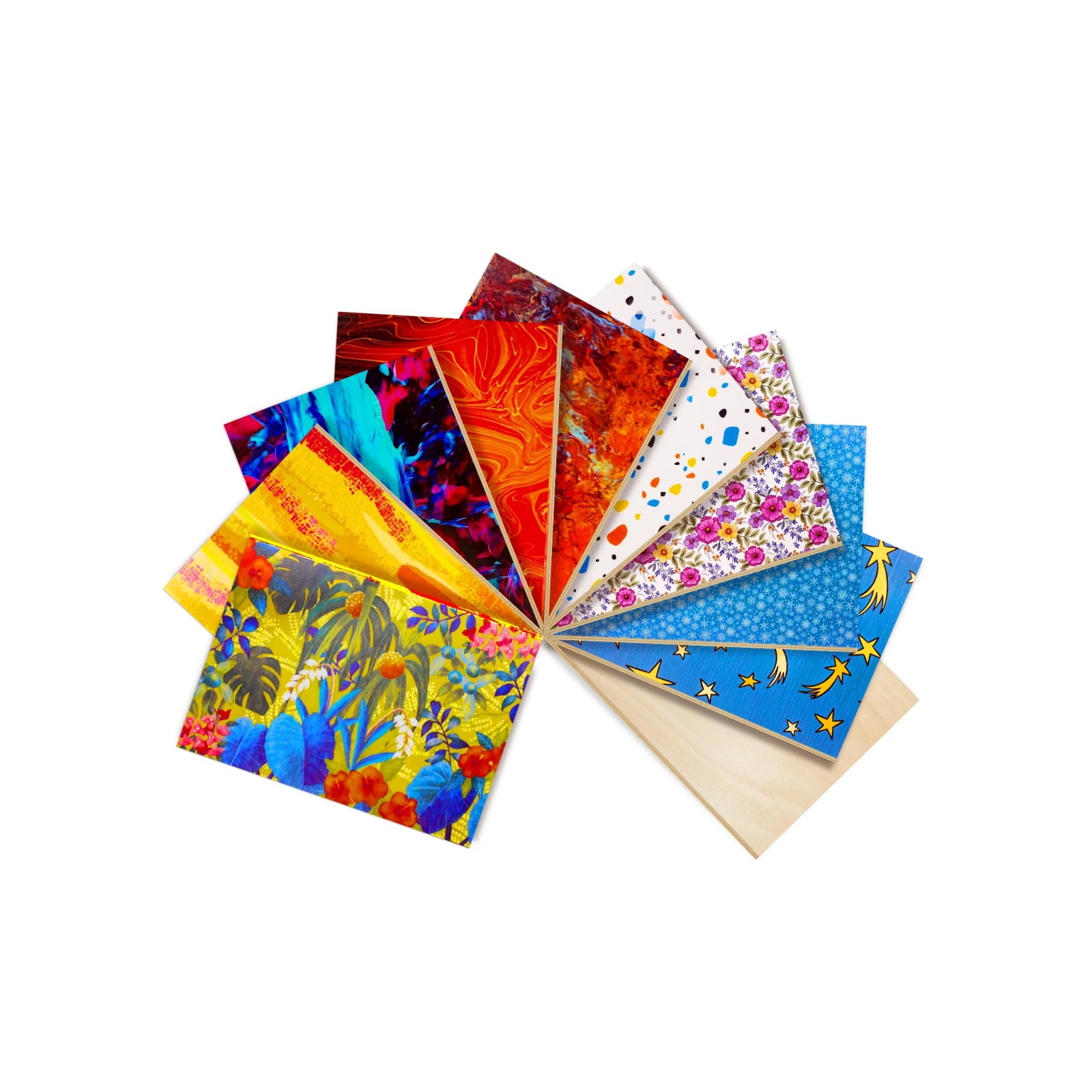
A small laser engraver is a compact engraving and cutting machine designed for creators who want precision in a lightweight, desk-friendly format. It typically includes a diode, CO₂, or IR laser source and can engrave materials such as wood, leather, coated metals, paper, acrylic, and fabric.
Small engravers typically fall into two categories: desktop and handheld — both are highly portable compared to full-size machines.
Desktop small laser engraver
- Sits on a table or workbench
- Small footprint — easy to place and operate in almost any corner of your home
- Suitable for engraving and light cutting
- Popular among hobbyists, students, craft sellers, and home creators
Handheld laser engraver
Also known as a "laser engraver handheld," this is a portable engraving tool that can be lifted and used directly on objects.
- Ideal for creators who need to engrave large, mounted, or immovable items
- Great for on-site engraving at markets, events, and workshops
- Offers mobility and flexibility, allowing engraving in places where traditional desktop machines can't reach
Both types are designed to be easy to use and accessible to beginners.
Why Small Laser Engravers Are Booming
Small laser engravers are among the fastest‑growing creative tools right now, supported by strong market expansion, rising customization demand, and evolving technology. Here's a closer look at the trends behind this momentum:
1. Rapid Market Growth
The global laser engraving machines market is expanding substantially as more consumers and small businesses adopt compact engraving solutions. Industry forecasts put the global market at over USD 3.8 billion, growing to more than USD 8.4 billion within the next decade — a compound annual growth rate (CAGR) above 8%.
2. Growing Demand for Personalized Handmade Products
As online marketplaces and social platforms expand, consumers increasingly seek unique, customized goods rather than mass‑produced items. This trend fuels rising demand for small laser engravers that can economically produce name‑engraved gifts, custom signage, and one‑off keepsakes without industrial overhead.
3. Portable Tools Are Becoming More Popular
Demand for portable and desktop laser machines is rising because these units let small business owners, crafters, and creators work in flexible settings — from home studios to craft markets. The portable laser engraver market alone is forecast to roughly double within the next several years, driven by small-business adoption and the versatility of compact formats.
4. Lower Learning Barriers
Traditional laser engravers were large, expensive, and complex, requiring training and careful setup. Modern portable and handheld models overcome these limits: compact, easy to use, with auto-focus, visual previews, and intuitive software, they let hobbyists and small businesses create high-quality engraved items anywhere, safely.
5. More Affordable Pricing
The cost of small laser engravers has been decreasing as technology matures and competition increases. Compact diode and hybrid laser systems are now priced far below traditional CO₂ industrial units, making them accessible to hobbyists and small studios while still offering precision and material flexibility.
What You Can Make With a Small Laser Engraver
Laser engraver projects are one of the main reasons people buy compact or handheld engraving tools. Here are popular ideas that work with a small laser engraver:
- Personalized wooden signs
- Leather keychains
- Name-engraved notebooks
- Jewelry tags

- Custom coasters (including holiday and seasonal designs)

- Cutting board designs
- Acrylic ornaments

- Gift box engravings
- Wedding decor pieces
- Small business merchandise
- Classroom and student projects
- Personalized pet tags (including stainless steel dog tags)
These project ideas work for online shops, local craft markets, and personal gifts.
Types of Small Laser Engravers
Small laser engravers come in several different formats, each designed for a specific type of creator. Choosing the right model depends on your materials, workspace, portability needs, and the type of projects you want to make. Below is a breakdown of the most common types, including their best applications, ideal materials, advantages, and limitations.
Diode Small Laser Engraver
A diode small laser engraver is one of the most popular options for beginners and home creators. It uses a compact diode laser module that offers solid engraving performance in a lightweight frame.
- Best Use Cases: Great for beginners, hobby crafters, and small studios who need a lightweight, portable laser engraving tool for home projects or craft-fair production.
- Ideal Materials: Wood, bamboo, leather, coated metals, acrylic, paper, and fabric.
- Pros: Affordable, compact, easy to set up, and safe for indoor use thanks to low heat output and diode efficiency.
- Cons: Not suitable for engraving bare metals directly and has slower processing speeds compared with CO₂ or fiber systems.
CO₂ Laser Engraver
- Best Use Cases: Suitable for creators who prioritize high-quality engraving and cutting on non-metal materials, especially for business-level craft production.
- Ideal Materials: Acrylic, wood, leather, rubber stamps, paper, and other organic materials.
- Pros: Fast processing speed and exceptional engraving quality, especially on acrylic and soft materials, making it ideal for professional shops.
- Cons: Less portable, requires ventilation, and generally has a higher machine price compared to diode options.
Fiber Laser Handheld Engraver
- Best Use Cases: Ideal for users who need to mark bare metals directly — perfect for industrial tags, jewelry personalization, metal craft businesses, and workshop production.
- Ideal Materials: Stainless steel, aluminum, titanium, brass, and other bare metal surfaces.
- Pros: Delivers clean, permanent markings on metal with high precision and very fast speed.
- Cons: Higher upfront price and usually limited to marking (not cutting), making it less versatile for mixed-material creators.
Dual-Laser Engraver
A dual-laser engraver (also called a hybrid laser system or dual-source engraver) typically combines two different laser types in one machine. Each laser excels at engraving different materials, giving the device a much wider working range than a single-laser engraver.
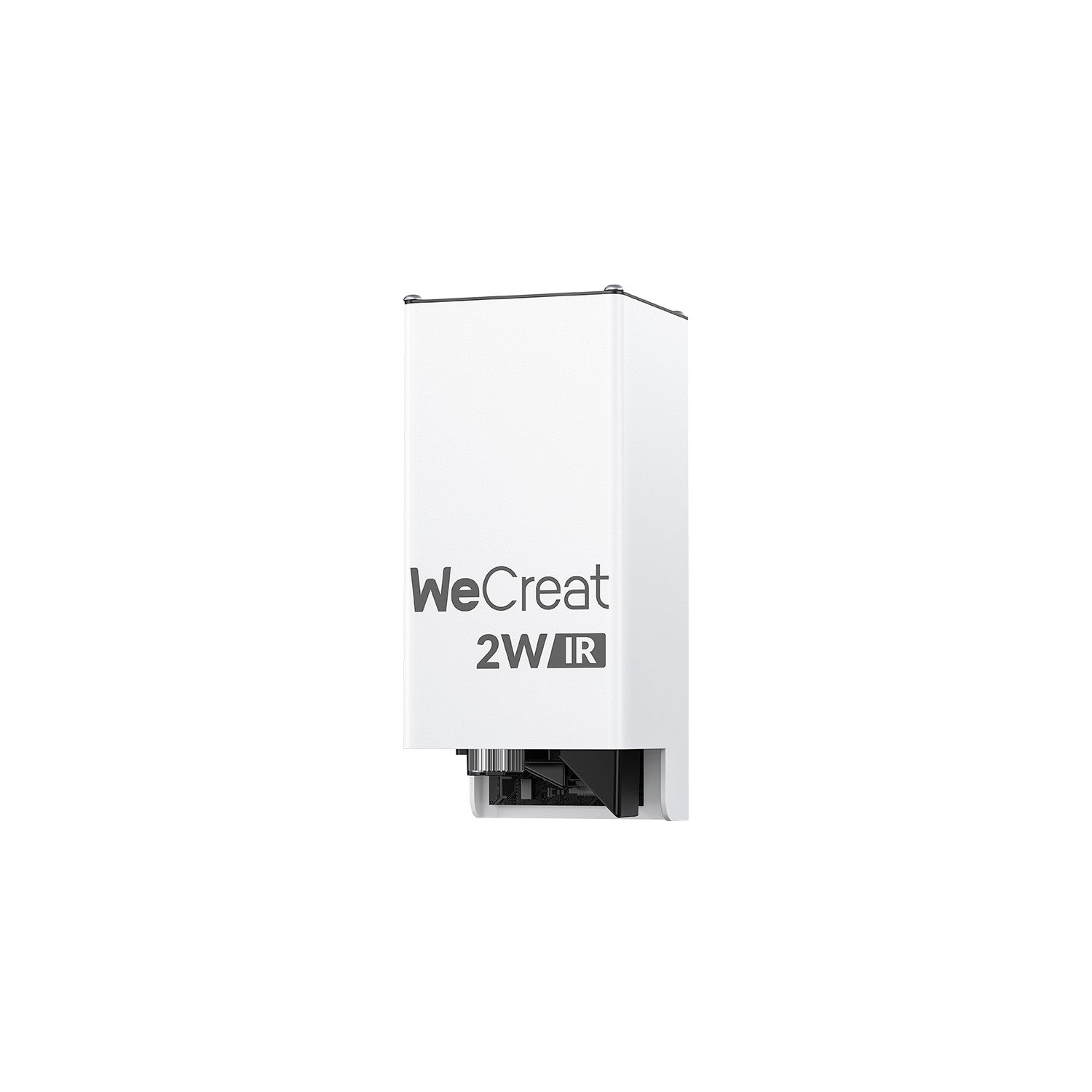
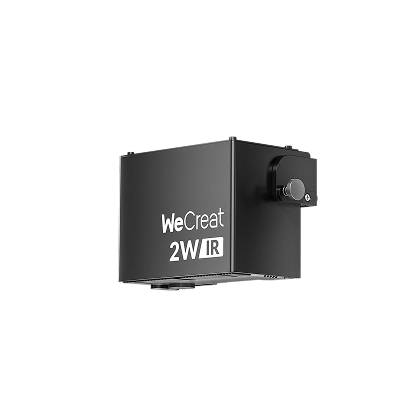
1. Diode + IR (Infrared) Laser
| Feature | Blue Diode Laser | IR Laser (1064nm) |
|---|---|---|
| Best For | Wood, leather, acrylic, plastics | Metal marking (including bare metals) |
| Beam Wavelength | 455nm | 1064nm |
| Cutting Ability | Good for wood & acrylic | Not for cutting |
| Engraving Detail | Great for organic materials | Ultra-fine metal marking |
| Typical Use | Crafts, gifts, hobby projects | Jewelry, tools, metal tags |
Who uses this combo? Creators who want both craft engraving and metal engraving in one compact machine.
2. Diode + CO₂ Laser
| Feature | Diode | CO₂ |
|---|---|---|
| Best For | Wood, leather, coated metals | Wood, acrylic, rubber, fabric |
| Cutting Power | Moderate | Strong cutting ability |
| Engraving Detail | Precise but shallow | Smooth and deep |
| Footprint | Very compact | Requires ventilation, larger frame |
Who uses this combo? Shops needing fine engraving plus strong cutting within one device.
3. CO₂ + Fiber Laser
| Feature | CO₂ | Fiber |
|---|---|---|
| Best For | Wood, acrylic, leather | Bare metals, industrial marking |
| Cutting Ability | Excellent for non-metals | Poor (mostly marking) |
| Engraving Speed | Fast | Very fast on metals |
| Machine Size | Medium–large | Medium–large |
Who uses this combo? Professional makers or factories requiring metal and non-metal production in one system.
With the rise of personalized products and demand for multi-material customization, dual-laser engravers are becoming a popular choice for creators who want maximum versatility without expanding their workspace.
How to Choose the Right Small Laser Engraver
1. Your Budget
Your budget directly determines the type of laser head you can choose and the overall performance you can expect.
$200–$500: Entry-level diode engravers (Beginner Tier)
Entry-level small laser engravers in this range are suitable for hobby use, testing ideas, and light engraving — but they come with limitations worth knowing about:
- Minimal or no enclosure, meaning more smoke, odor, and exposure to bright laser light; goggles are often required.
- Lower structural stability, which can affect engraving precision, especially on detailed designs.
- Limited cutting ability, usually only thin wood or soft materials.
- Basic safety controls, sometimes missing auto-pause, flame detection, proper shielding, or airflow systems.
- Shorter lifespan, due to simpler cooling, lighter frames, and cheaper laser modules.
These machines are fine for small DIY projects, learning, or trying laser engraving for the first time — but they're not ideal for long sessions or business use.
$500–$1,000: Mid-range diode or portable dual-laser options
More powerful diode modules become available, plus early dual-laser models (diode + IR). Expect better safety, faster engraving, and wider material support — suitable for hobby sellers or craft creators.
$1,000+: Premium desktop or hybrid dual-laser systems
These machines offer better precision, stable frames, cameras, auto-focus, larger work areas, and more advanced safety systems. Great for small business production, detailed engraving, and consistent daily use.
2. Your Purpose: What Do You Want to Do With It?
Your use case will decide which laser type and power level you actually need.
- For hobby crafting (wood, leather, acrylic, coated metals): diode or dual-laser.
- For metal marking: you'll need an IR laser or fiber-like IR module.
- For small business personalization: faster engraving, better precision, larger workspace, possibly handheld flexibility.
- For on-site events, markets, craft fairs: prioritize portability, quick setup, and handheld mode.
3. Who Should Buy a Small Laser Engraver
Not everyone needs a full-size laser machine. Small models are ideal for:
- Beginners exploring laser crafting as a hobby
- Crafters selling small personalized items
- Exhibitors or market booth sellers needing portable/handheld engraving
- Makers in limited spaces (home studio, apartment, shared workshop)
If your work involves large plywood sheets, heavy-duty cutting, or industrial batch production, a small laser engraver may not be sufficient.
4. Portability Requirements
Decide whether you need:
- Desktop-only (stable, precise, fixed workspace)
- Portable (easy to move between home, school, studio)
- Handheld capability (engraving on curved, large, or mounted objects)
If you frequently attend events, markets, or install engravings directly on products, a portable + handheld model is a major advantage.

Technical Features & Functions to Look At
| Feature / Parameter | What It Means / Why It Matters |
|---|---|
| Laser power / Laser type | Output power and wavelength determine engraving and cutting performance. Lower power suits wood and leather engraving; higher power, CO₂, or IR modules enable deeper cutting and metal marking. |
| Work area / Bed size | Defines the maximum material size you can process. Small work areas suit gifts and small crafts; larger ones support batch production and bigger pieces. |
| Auto Focus / QuickView / HD Camera | Auto Focus ensures perfect distance for crisp engraving without manual tuning. Preview systems help you position designs accurately. HD cameras allow real-time framing, precise alignment, and easier multi-item engraving. |
| Engraving / Cutting speed | Affects workflow efficiency. Faster machines let you complete more projects per hour — especially important for sellers and small businesses. |
| Laser spot size / Precision / Resolution | Determines detail quality. A smaller spot size produces more accurate lines, sharper text, and clearer photo engraving. |
| Material compatibility | Indicates which materials the machine can engrave: wood, leather, acrylic, coated metal, fabrics, paper, stone, and in some cases bare metal (with IR or fiber modules). |
| Air assist / Exhaust / Ventilation | Removes smoke and debris during engraving. Helps achieve cleaner cuts, reduces odor, and makes indoor use safer. |
| Cooling / Build quality | Good cooling prevents overheating; a rigid frame stabilizes motion for precise, consistent engraving. |
| Software compatibility & connectivity | Check whether the engraver supports LightBurn, mobile apps, and common formats like SVG, DXF, PNG, and JPG. Smooth software workflow improves productivity. |
| Portability / Footprint / Weight | Important for small spaces, shared rooms, or creators who need to use the engraver at markets, workshops, or events. Handheld usability adds extra flexibility. |
| Safety features | Enclosures, interlocks, emergency stop buttons, safety-rated eye protection, and proper exhaust help make the machine safe for home and studio use. |
Which Small Laser Engraver Should You Get?
Since this guide is about small and portable engravers specifically, the clearest match within WeCreat's lineup is the Lumos family — both models are genuinely handheld-capable, not just "compact desktop" units. Here's how to pick between them based on the budget and purpose factors above:
| Your Situation | WeCreat Pick |
|---|---|
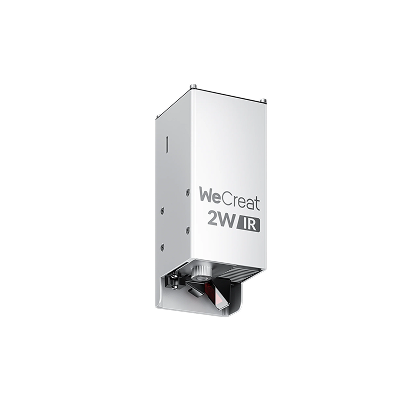
| Entry-level budget, mainly wood/leather/acrylic crafts with occasional metal marking, want a portable machine you can also use handheld at markets or events | Lumos — 10W diode + 3W IR dual-laser, portable and handheld modes |
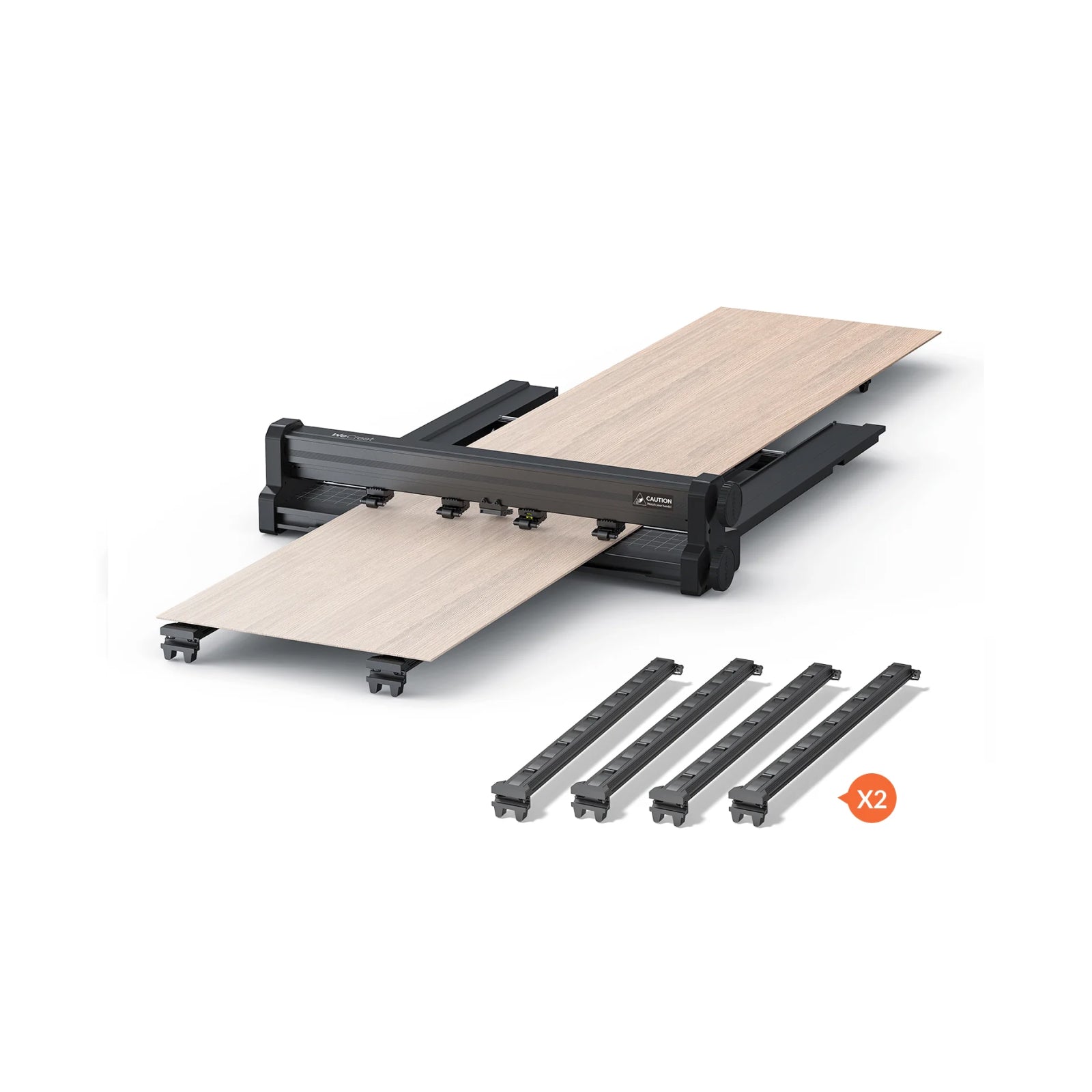
| Need serious metal work (deep engraving, thin-metal cutting, color engraving on stainless steel) while staying portable, or you're scaling toward small-business volume | Lumos Flex — 15W fiber + 15W diode dual-laser, up to 10,000mm/s, 2.8kg and fully one-hand operable, 4× work area available with the slide extension |
If you're still not sure which fits your projects, compare all WeCreat laser engravers side by side →


Conclusion
Small laser engravers and handheld engraving tools give creators a powerful way to make personalized products in a compact, budget-friendly format. With lower prices, better software, and improved engraving performance, there's never been a better time to start exploring laser engraving projects.
Whether you want an affordable laser engraver for home crafting or a portable handheld laser engraver for small business work, compact machines now offer professional results that fit comfortably on your desk or in your hand.
Ready to find your first laser engraver? Browse WeCreat's full laser engraver lineup →