
















Choosing the right wood cutting tools can make or break your woodworking experience — especially if you're just getting started. With the proper tools in hand, you'll enjoy cleaner cuts, smoother results, and a more satisfying creative process. Whether you're a weekend DIYer or diving into your first project, this guide will help you navigate the essential tools for success — from budget-friendly hand tools to powerful electric options and precision tools for professionals.
Understanding the Two Main Categories of Wood Cutting Tools
Before you shop for tools, it's important to understand how they're generally classified. Most wood cutting tools fall into one of two categories:
Hand tools Hand tools are a staple in any woodworker's kit — especially for beginners. They're affordable, easy to learn, and offer better control for detailed or smaller-scale projects. Common options include hand saws like crosscut or dovetail saws, Japanese pull saws, chisels, hand planes, and more.
Power tools Power tools bring speed, precision, and efficiency — ideal for larger or more repetitive tasks. While they require more safety awareness and technique, they open the door to more advanced woodworking. Popular choices include circular saws, jigsaws, table saws, miter saws, and — for more advanced or creative work — laser engravers.
Best Beginner Wood Cutting Tools: What You Actually Need
If you're just starting out, it's easy to feel overwhelmed by the wide range of tools available. But you don't need everything at once. Below is a curated set of beginner-friendly tools that cover up to 90% of your early woodworking needs.
Recommended Hand Tools for Beginners
These tools are reliable, safe, and budget-conscious — a solid foundation for your toolkit:
Crosscut Saw The crosscut saw is a must-have for general-purpose woodworking. It's great for making fast, clean cuts through both soft and hardwoods, making it ideal for framing and trimming lumber. However, it's not suitable for intricate or curved cuts due to its rigid blade and size.

Image Credit: Photo by Sarah Pflug from Burst
Coping Saw
The coping saw is designed for precision — perfect for cutting curves, patterns, and fine details in thinner wood pieces. It's a favorite among craft and model makers. While versatile for intricate work, its thin blade can snap easily and doesn't handle thick or long cuts well.

Image Credit: Photo by Matthew Henry from Burst
Wood Chisels
Wood chisels are perfect for shaping joints, carving details, and refining edges in woodworking projects. They offer great control and accuracy, especially in joinery tasks. However, they require regular sharpening and careful handling to maintain clean results.

Image Credit: Photo by Collab Media
Hand Plane (Wood Shaver)
A hand plane helps smooth wood surfaces, flatten boards, and clean up edges for a polished, professional finish. It's ideal for surface prep before sanding or staining. The downside is that it takes practice to adjust and use properly, especially when working against the grain.

Image Credit: Photo by Ono Kosuki
Recommended Electric Tools for Beginners
Electric tools speed things up — without sacrificing control, if you choose the right ones. Here are two great options that strike the right balance for new users:
Circular Saw
A circular saw is a powerful wood cutting tool that helps beginners make quick, straight cuts through thick boards and plywood. Best for straight-line efficiency — not for curves or fine details.

Image Credit: Photo by Ivan Samkov
Jigsaw
A jigsaw is a beginner-friendly wood cutting tool that's perfect for cutting curves, shapes, and custom designs. While it's not ideal for straight cuts or heavy-duty tasks, it's a must-have tool for woodworking beginners looking to work more efficiently.

Image Credit: Photo by Mikael Blomkvist
When Cutting and Sawing Isn't Enough: Precision Tools for the Next Level
The tools above will get you through nearly any beginner project — but there's a common point almost every woodworker eventually reaches: you can cut clean lines with a saw, but you can't easily add fine detail, lettering, or repeatable custom designs by hand. That's a different problem from "which saw should I buy," and it calls for a different type of tool: a laser engraver.
Why creators add a laser engraver to their toolkit
A laser cutter/engraver like the WeCreat Vision Pro doesn't replace your saws and chisels — it picks up where they leave off. Once your wood is cut and shaped, a laser engraver lets you:
- Add fine detail fast: Crisp text, logos, or photo-quality detail that would take hours to carve by hand.
- Reproduce designs exactly: Repeat the exact same design across multiple pieces — useful the moment you start selling custom items instead of making one-offs.
- Cut intricate shapes: Achieve precision in wood or acrylic that no hand tool can match.
This is typically the point where a hobby starts turning into either a more serious craft practice or a small side business — personalized signs, engraved gifts, and small-batch product runs are the most common next step once basic cutting and shaping feel routine.

Woodworking Projects Created with WeCreat Vision Pro
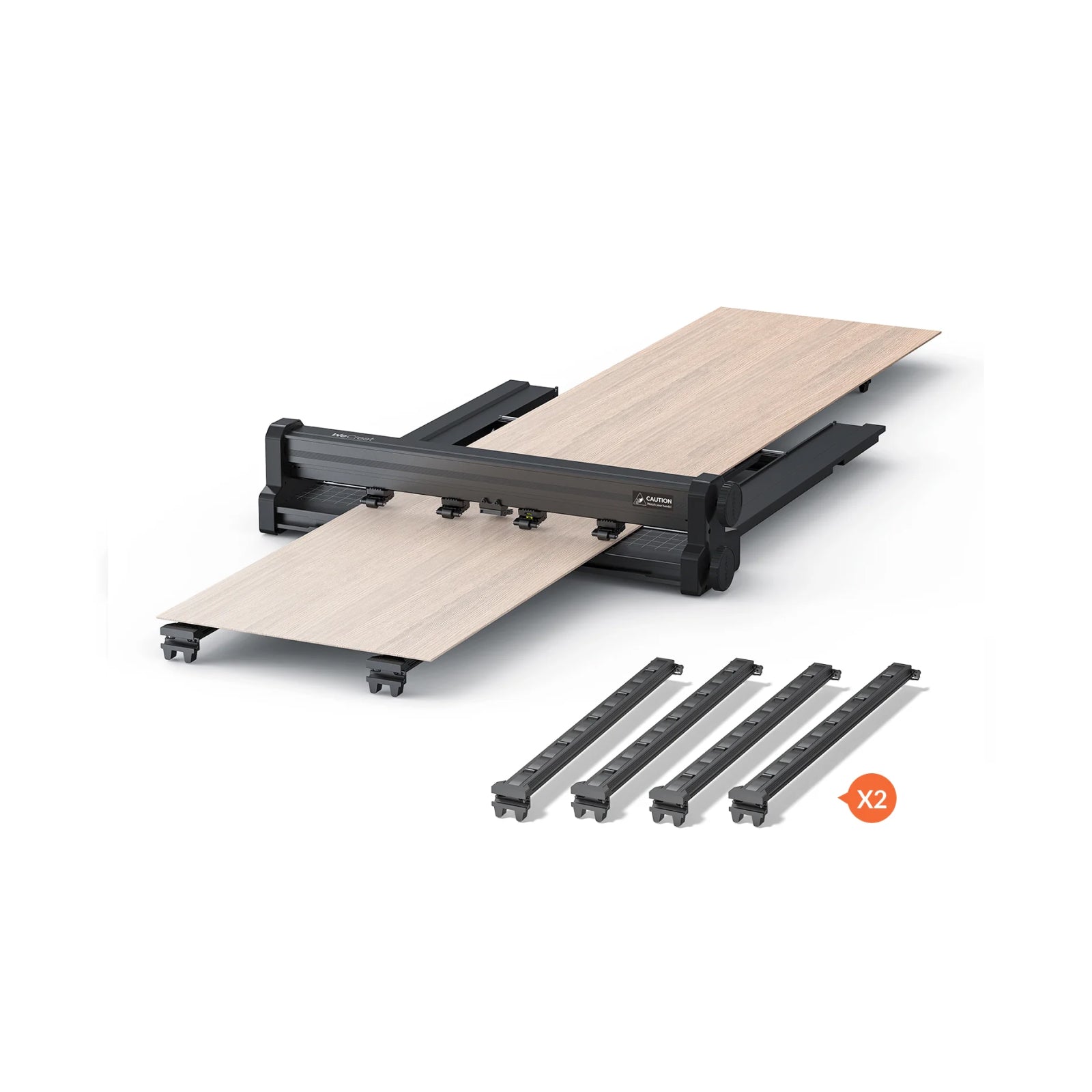
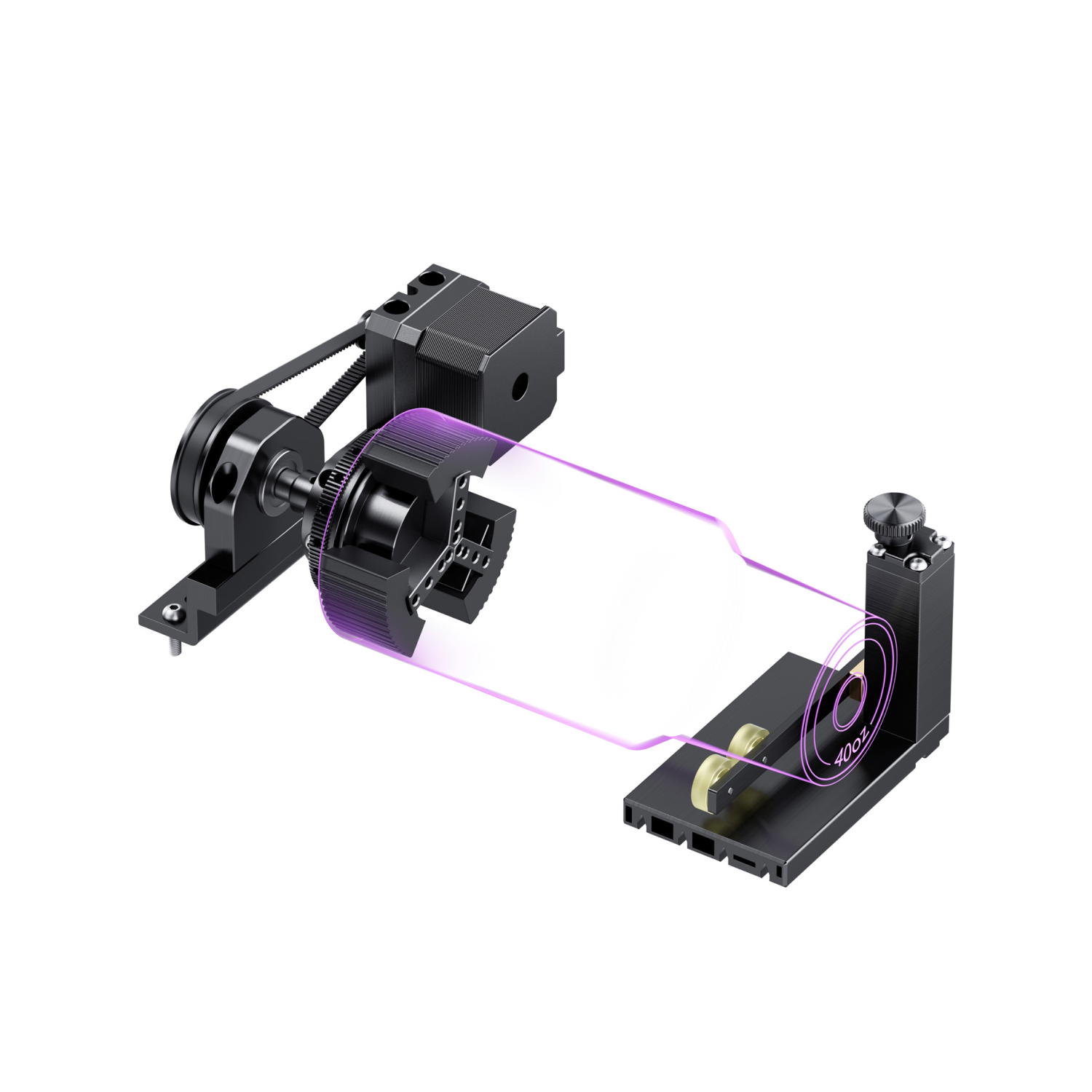
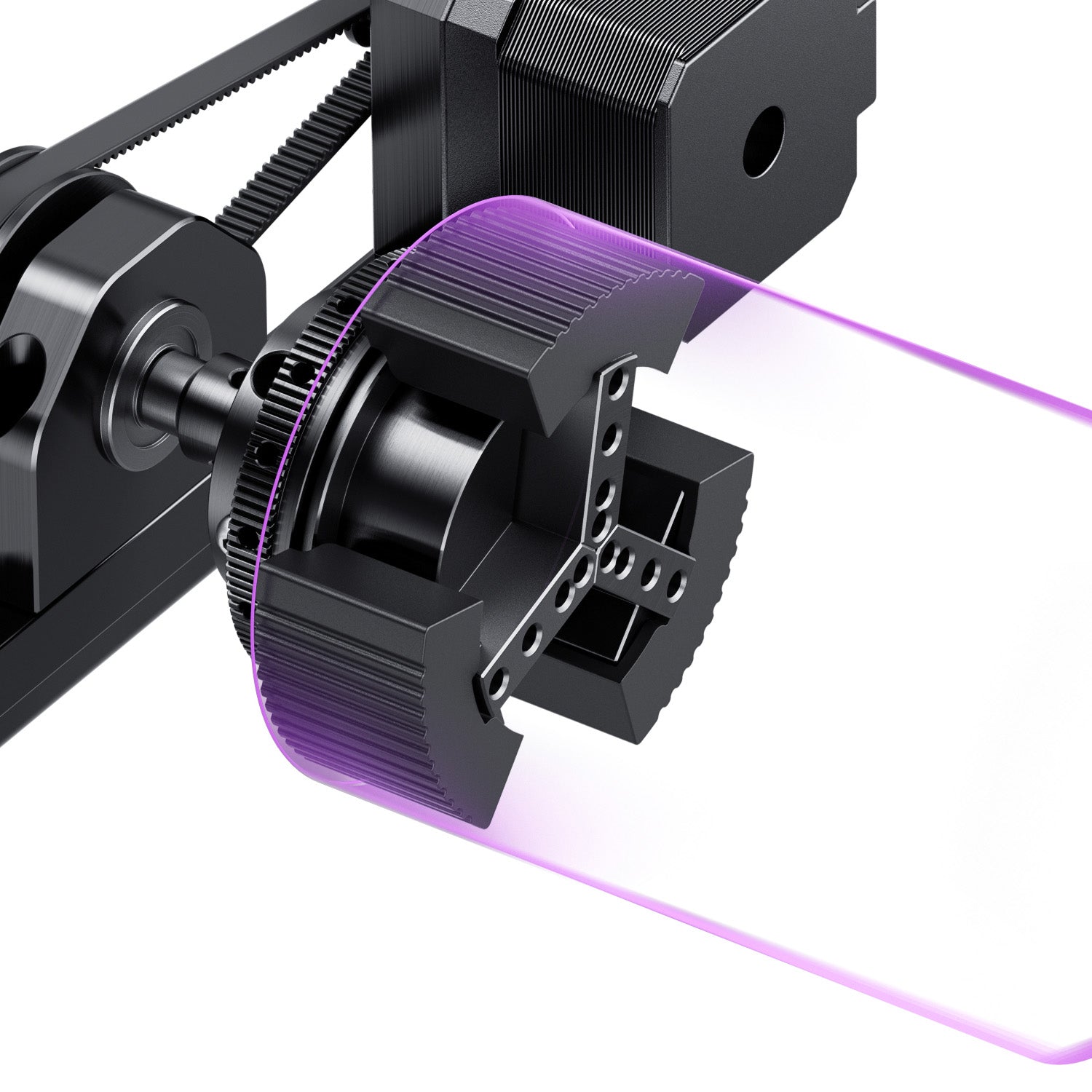
What makes WeCreatnVision Pro a fit for this stage: it pairs a high-power dual-diode laser with an auto-lifting chassis and LiDAR autofocus, so you don't need the manual calibration experience that industrial laser cutters usually demand — it's built to be approachable for makers coming from hand and power tools, not just for people who already have laser experience.

Final Thoughts
Getting started in woodworking doesn't have to be complicated. Begin with a few reliable hand tools, add electric tools as you grow more confident, and — when you find yourself wanting more precision, repeatability, or the ability to add detailed designs — consider a laser engraver as the next tool in your kit.
The right wood cutting tools don't just make your projects easier — they make the process more enjoyable, more accurate, and more rewarding.
Curious what a laser engraver could add to your woodworking? Explore WeCreat's laser engravers →
FAQs
Q1. What's the first wood cutting tool a beginner should buy?
A crosscut saw is the most versatile starting point — it handles most straight cuts in both soft and hardwoods and covers the majority of early projects. Pair it with a coping saw once you want to start cutting curves or fine detail work.
Q2. Do I need power tools to start woodworking, or are hand tools enough?
Hand tools are enough to complete most beginner projects and are the more budget-friendly, lower-risk way to start. Power tools like a circular saw or jigsaw become worth adding once you're cutting thicker boards regularly or want to speed up repetitive cuts.
Q3. When should a woodworker consider a laser engraver instead of traditional cutting tools?
A laser engraver isn't a replacement for saws and chisels — it's usually added once you need fine detail, text, or logos that are impractical to carve by hand, or once you want to reproduce the same design consistently across multiple pieces, such as for gifts or small-batch sales.